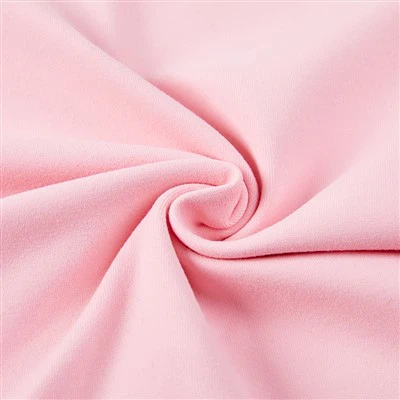
Hey there! As a supplier of Nylon Spandex Mesh Fabric, I often get asked about the special requirements for sewing this unique material. So, I thought I'd share some insights based on my experience in the industry.
First off, let's talk about what makes Nylon Spandex Mesh Fabric so special. This fabric is a blend of nylon and spandex, which gives it some amazing properties. Nylon is known for its strength, durability, and resistance to abrasion, while spandex adds stretch and elasticity. The mesh structure allows for breathability, making it a popular choice for sportswear, swimwear, and other activewear.
Needles and Thread
When it comes to sewing Nylon Spandex Mesh Fabric, the right needles and thread are crucial. You'll want to use a sharp, fine needle, like a size 70/10 or 80/12. A sharp needle will pierce the fabric cleanly without snagging or pulling, which is especially important for a delicate mesh.
As for thread, choose a high - quality polyester or nylon thread. These threads are strong and have some stretch to them, which is essential when working with a stretchy fabric like Nylon Spandex Mesh. A thinner thread is usually better as it won't add too much bulk to the seams.
Stitch Type
The stitch type you use can make a big difference in the outcome of your sewing project. For Nylon Spandex Mesh Fabric, a zig - zag stitch or a stretch stitch is your best bet.
A zig - zag stitch allows the seam to stretch along with the fabric. You can adjust the width and length of the zig - zag to suit the amount of stretch in your fabric. A stretch stitch, on the other hand, is specifically designed for stretchy fabrics. It looks like a series of small loops that can expand and contract as the fabric moves.
If you're using a sewing machine, make sure it has a stretch stitch function. Some machines also have a differential feed feature, which helps prevent the fabric from bunching up as you sew. This is particularly useful when working with a mesh fabric that can be a bit slippery.
Cutting the Fabric
Cutting Nylon Spandex Mesh Fabric can be a bit tricky because of its stretch and delicate nature. Before you start cutting, it's a good idea to wash and dry the fabric to pre - shrink it. This will prevent any unexpected shrinking after your project is finished.
Use sharp fabric scissors or a rotary cutter to cut the fabric. Make sure to cut on a flat surface and hold the fabric firmly but gently. If the fabric is too stretchy, you might want to use a ruler or a cutting mat with grid lines to keep your cuts straight.
When cutting out your pattern pieces, add a bit of extra seam allowance. This will give you some room to work with and make it easier to adjust the seams if needed.
Seam Finishing
Seam finishing is an important step when sewing Nylon Spandex Mesh Fabric. Since the mesh is open and can fray easily, you'll want to finish the seams to prevent them from coming apart.


One option is to use a serger or overlock machine. A serger trims the edges of the fabric as it sews, and it can also add a neat finish to the seam. If you don't have a serger, you can use a zig - zag stitch to finish the raw edges of the fabric before sewing the seams.
Another option is to use a bias binding or a seam binding tape. This can be a great way to add a decorative touch to your seams while also preventing fraying.
Pressing
Pressing Nylon Spandex Mesh Fabric requires a bit of caution. The heat from an iron can damage the spandex fibers, so it's important to use a low - heat setting. You might even want to place a pressing cloth between the iron and the fabric to protect it.
When pressing seams, press gently and avoid stretching the fabric. You can also use a steam iron to help set the seams, but be careful not to let the steam soak the fabric too much.
Special Considerations for Different Types of Nylon Spandex Mesh Fabric
There are different types of Nylon Spandex Mesh Fabric, each with its own characteristics. For example, the Knitted Nylon - spandex Fabric has a different texture and stretch compared to the Nylon Spandex Elastic Mesh Fabric.
The knitted version might be more stretchy in one direction than the other, so you'll need to pay attention to the grain of the fabric when cutting and sewing. The elastic mesh, on the other hand, might have a looser structure, which means you'll need to be extra careful when handling it to avoid snags.
The Performance Nylon & Spandex Fabric is often treated with special finishes for moisture - wicking, UV protection, etc. When sewing this type of fabric, make sure not to damage these finishes. Avoid using harsh chemicals or excessive heat during the sewing process.
Tips for Beginners
If you're new to sewing Nylon Spandex Mesh Fabric, here are some tips to help you get started:
- Practice on a scrap piece of fabric first. This will allow you to get used to the feel of the fabric and test out different stitches and techniques.
- Take your time. Sewing this fabric can be a bit challenging, so don't rush through the process.
- Use pins sparingly. Pins can leave holes in the fabric, which might be visible after sewing. If you need to use pins, use fine - tipped ones and remove them as you sew.
Conclusion
Sewing Nylon Spandex Mesh Fabric does have some special requirements, but with the right tools, techniques, and a bit of patience, you can create amazing projects with this fabric. Whether you're making sportswear, lingerie, or any other item, following these guidelines will help you achieve professional - looking results.
If you're interested in purchasing Nylon Spandex Mesh Fabric for your next project, feel free to reach out. I'd be more than happy to discuss your needs and provide you with the best fabric options.
References
- "The Complete Guide to Sewing Stretch Fabrics" by Sewing World Magazine
- "Fabric Basics: Nylon and Spandex" by Textile Institute Journal