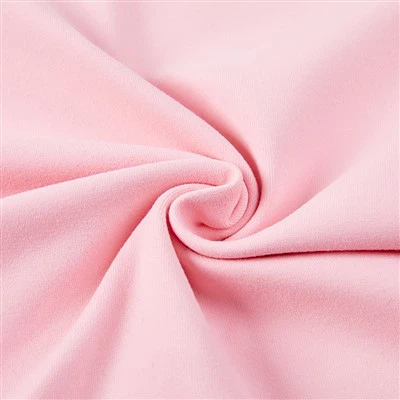
Can athletic jersey fabric be bleached? This is a question that often comes up among athletes, sports enthusiasts, and those responsible for maintaining sports uniforms. As a supplier of Athletic Jersey Fabric, I've encountered this query numerous times. In this blog, I'll delve into the science behind bleaching athletic jersey fabric, the potential risks and benefits, and provide some practical advice.
Understanding Athletic Jersey Fabric
Athletic jersey fabric is designed to meet the unique demands of sports. It needs to be lightweight, breathable, and have good stretch properties to allow for a full range of motion. Common materials used in athletic jersey fabric include polyester, nylon, and spandex. These synthetic fibers are chosen for their durability, moisture-wicking capabilities, and ability to retain their shape even after repeated use and washing.


For example, Fabric for Basketball Jersey often features a blend of polyester and spandex. Polyester is known for its strength and resistance to wrinkles, while spandex adds stretch and flexibility. Similarly, 4 Way Stretch Fabric for Sportswear is highly sought after as it provides unrestricted movement in all directions, making it ideal for high-intensity sports.
The Chemistry of Bleaching
Bleaching agents work by breaking down the chemical bonds in the dyes that give fabric its color. The most common bleaching agents are chlorine bleach (sodium hypochlorite) and oxygen bleach (such as hydrogen peroxide or sodium percarbonate). Chlorine bleach is a powerful oxidizing agent that can quickly remove color, but it can also be harsh on fabrics. Oxygen bleach, on the other hand, is generally milder and is less likely to damage the fabric fibers.
When bleach comes into contact with fabric, it reacts with the chromophores (the parts of the dye molecules that absorb and reflect light to create color). This reaction changes the structure of the chromophores, causing them to lose their ability to absorb and reflect light in the same way, resulting in a lighter color.
Can Athletic Jersey Fabric Be Bleached?
The answer to whether athletic jersey fabric can be bleached is not a simple yes or no. It depends on several factors, including the type of fabric, the dye used, and the type of bleach.
Polyester-Based Fabrics
Polyester is a synthetic fiber that is generally resistant to bleaching. Chlorine bleach can be too harsh for polyester and may cause the fabric to become brittle and lose its strength over time. Oxygen bleach is a better option for polyester-based athletic jersey fabric. It can help to remove stains and brighten the fabric without causing significant damage. However, it's important to note that some polyester fabrics may have been treated with special dyes or finishes that can be affected by bleach. Always check the care instructions provided by the fabric manufacturer before using any bleach.
Nylon and Spandex Blends
Nylon and spandex blends are commonly used in athletic jerseys for their stretch and comfort. These fabrics are more sensitive to bleach than polyester. Chlorine bleach can cause the spandex to break down, resulting in a loss of stretch and a saggy appearance. Oxygen bleach is a safer choice for nylon and spandex blends, but it should still be used with caution. Test a small, inconspicuous area of the fabric first to see how it reacts to the bleach.
Natural Fiber Blends
Some athletic jersey fabrics may contain a small percentage of natural fibers, such as cotton. Cotton is more susceptible to bleaching than synthetic fibers. Chlorine bleach can be used on cotton, but it should be diluted properly to avoid over-bleaching and damage to the fabric. Oxygen bleach is also suitable for cotton blends and is generally less likely to cause damage.
Potential Risks of Bleaching Athletic Jersey Fabric
While bleaching can help to remove stains and brighten athletic jersey fabric, there are several potential risks to consider.
Color Fading
Bleach can cause the color of the fabric to fade, especially if it is used incorrectly or too frequently. This can be a problem for jerseys with team logos or designs, as the colors may become uneven or lose their vibrancy.
Fabric Damage
Chlorine bleach, in particular, can damage the fabric fibers, making them weaker and more prone to tearing. Over time, repeated use of bleach can cause the fabric to become thin and frayed. Oxygen bleach is less likely to cause fabric damage, but it can still have an impact if used in excessive amounts or for too long.
Dye Migration
Bleaching can sometimes cause the dyes in the fabric to migrate, resulting in a blotchy or streaky appearance. This is more likely to occur with certain types of dyes or if the fabric has been exposed to heat or moisture during the bleaching process.
Tips for Bleaching Athletic Jersey Fabric
If you decide to bleach your athletic jersey fabric, here are some tips to help you do it safely and effectively.
Read the Care Instructions
Always check the care instructions provided by the fabric manufacturer before using any bleach. The instructions will tell you whether the fabric is suitable for bleaching and what type of bleach to use.
Test a Small Area
Before bleaching the entire jersey, test a small, inconspicuous area first. Apply a small amount of the diluted bleach to the test area and let it sit for a few minutes. Rinse the area thoroughly and check for any signs of damage or color change. If the test area looks okay, you can proceed with bleaching the rest of the fabric.
Use the Right Type of Bleach
As mentioned earlier, oxygen bleach is generally a safer choice for athletic jersey fabric than chlorine bleach. Look for oxygen bleach products that are specifically designed for use on colored fabrics.
Dilute the Bleach Properly
Follow the instructions on the bleach product label to dilute the bleach properly. Using too much bleach can cause damage to the fabric.
Wash the Fabric Separately
Bleach can transfer to other fabrics, so it's important to wash the bleached jersey separately from other items. This will help to prevent color bleeding and damage to other clothes.
Rinse Thoroughly
After bleaching, rinse the fabric thoroughly to remove any remaining bleach. Residual bleach can continue to react with the fabric and cause damage over time.
Alternatives to Bleaching
If you're concerned about the potential risks of bleaching, there are several alternatives that you can try to remove stains and brighten your athletic jersey fabric.
Stain Removers
There are many stain removers available on the market that are specifically designed for use on sports uniforms. These products can help to remove stains without the need for bleach. Look for stain removers that are gentle on fabrics and do not contain harsh chemicals.
Baking Soda and Vinegar
Baking soda and vinegar are natural cleaning agents that can be used to remove stains and brighten fabric. Mix a small amount of baking soda with water to form a paste and apply it to the stain. Let it sit for a few minutes before rinsing it off. You can also add a cup of vinegar to the washing machine during the rinse cycle to help remove odors and brighten the fabric.
Enzyme Cleaners
Enzyme cleaners are another effective alternative to bleach. They work by breaking down the proteins and other organic matter in stains, making them easier to remove. Look for enzyme cleaners that are designed for use on sports uniforms and follow the instructions on the product label.
Conclusion
In conclusion, whether athletic jersey fabric can be bleached depends on several factors. While it is possible to bleach some types of athletic jersey fabric, it should be done with caution. Always check the care instructions provided by the fabric manufacturer, test a small area first, and use the right type of bleach. Consider the potential risks of bleaching, such as color fading, fabric damage, and dye migration. If you're unsure about bleaching your athletic jersey fabric, it's best to consult a professional cleaner or contact the fabric supplier for advice.
As a supplier of Athletic Jersey Fabric, I'm here to help you with any questions you may have about fabric care and maintenance. If you're interested in purchasing high-quality athletic jersey fabric for your team or sports organization, please feel free to contact me for more information and to discuss your specific needs.
References
- Textile Institute. (2019). Handbook of Textile Fibre Structure. Woodhead Publishing.
- Vigo, T. L. (1994). Textile Processing and Properties: Chemical, Physical, and Functional Aspects. Elsevier.