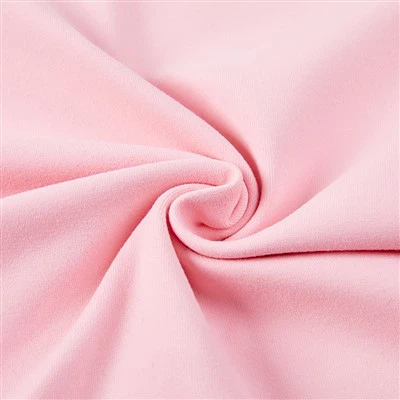
Can bike jersey fabric be dyed? This is a question that many cyclists and cycling enthusiasts often ask. As a supplier of bike jersey fabric, I've encountered this query numerous times, and today, I'm excited to delve into this topic in detail.
Understanding Bike Jersey Fabric
Before we discuss the dyeing process, it's essential to understand the characteristics of bike jersey fabric. Bike jersey fabrics are specifically designed to meet the unique needs of cyclists. They need to be lightweight, breathable, and have excellent moisture - wicking properties. These fabrics are often made from synthetic materials such as polyester, nylon, or a blend of these fibers.
One of the most important aspects of bike jersey fabric is its ability to keep the cyclist dry. When cycling, the body perspires heavily, and if the fabric cannot wick away sweat quickly, it can make the rider uncomfortable and even increase the risk of hypothermia in cold weather. That's why Quick - drying Cycling Jersey Fabric is highly sought after. These fabrics are engineered to pull sweat away from the body and disperse it over a large surface area, allowing it to evaporate rapidly.
Another crucial factor is the stretchability of the fabric. A bike jersey should fit snugly without restricting movement. The fabric needs to be able to stretch as the cyclist pedals, reaches for the handlebars, or shifts positions on the bike. This stretchability is achieved through the use of elastic fibers in the fabric blend.
Properties of Bike Jersey Fabric Affecting Dyeing
The synthetic fibers used in bike jersey fabric have different properties compared to natural fibers like cotton or wool. These properties can significantly affect the dyeing process.
Polyester, for example, is a hydrophobic fiber, which means it repels water. This makes it more difficult for dyes to penetrate the fibers compared to natural fibers. However, polyester is also highly resistant to fading, which is ideal for a bike jersey that will be exposed to sunlight and frequent washing.
Nylon is another common fiber in bike jersey fabric. It has good strength and abrasion resistance. Nylon is more absorbent than polyester, but it also has a tendency to yellow over time when exposed to sunlight. When dyeing nylon, special considerations need to be taken to ensure colorfastness.
The Dyeing Process
The answer to whether bike jersey fabric can be dyed is yes, but it requires specific techniques and dyes.
For synthetic fabrics like polyester and nylon, disperse dyes are commonly used. Disperse dyes are designed to dissolve in water at high temperatures and penetrate the synthetic fibers. The dyeing process usually involves heating the fabric in a dye bath at a specific temperature for a set period. This allows the dye molecules to diffuse into the fibers and become trapped.
Pre - treatment of the fabric is also crucial before dyeing. The fabric needs to be thoroughly cleaned to remove any dirt, oils, or finishing agents that could interfere with the dyeing process. Some pre - treatments may also involve using chemicals to open up the fibers and make them more receptive to the dye.
After the dyeing process, a post - treatment step is required to set the dye and improve colorfastness. This may involve rinsing the fabric with a fixative solution that helps the dye molecules bond more firmly to the fibers.
Advantages and Disadvantages of Dyeing Bike Jersey Fabric
Advantages
- Customization: Dyeing allows for a high degree of customization. Cycling teams, clubs, or individual cyclists can choose their own colors and patterns to create unique jerseys. This can enhance team identity and make the cyclists stand out on the road.
- Cost - effectiveness: In some cases, dyeing existing fabric can be more cost - effective than purchasing pre - dyed fabric, especially if the desired color is not readily available in the market.
Disadvantages
- Technical Challenges: As mentioned earlier, dyeing synthetic fabrics can be technically challenging. It requires specialized equipment and knowledge of the dyeing process. If not done correctly, the fabric may not be evenly dyed, or the color may fade quickly.
- Impact on Fabric Properties: The dyeing process can potentially affect the fabric's properties, such as its moisture - wicking ability or stretchability. Some dyes and chemicals used in the process may leave residues on the fabric, which can interfere with its performance.
Quality Standards for Dyed Bike Jersey Fabric
As a Bike Jersey Fabric supplier, we adhere to strict quality standards when it comes to dyed fabrics.
Colorfastness is of utmost importance. The dyed fabric should be able to withstand multiple washes, exposure to sunlight, and abrasion without significant color loss. We use industry - standard tests to measure colorfastness, such as the AATCC (American Association of Textile Chemists and Colorists) test methods.
The fabric's performance properties, such as moisture - wicking and stretchability, should also be maintained after dyeing. We conduct thorough testing to ensure that the dyed fabric meets the same high - performance standards as our non - dyed fabrics.


Choosing the Right Dye and Fabric for Your Bike Jersey
When considering dyeing bike jersey fabric, it's important to choose the right combination of dye and fabric.
If you're looking for the Best Fabric for Cycling Jersey, you need to consider factors such as the type of cycling you'll be doing, the climate you'll be riding in, and your personal preferences. For example, if you're a competitive cyclist who rides in hot and humid conditions, a lightweight, quick - drying fabric would be ideal.
When it comes to dyes, make sure to choose high - quality disperse dyes that are specifically formulated for synthetic fabrics. These dyes will provide better colorfastness and a more even dyeing result.
Conclusion and Call to Action
In conclusion, bike jersey fabric can be dyed, but it requires careful consideration of the fabric type, dyeing techniques, and quality control. As a supplier of bike jersey fabric, we have the expertise and resources to provide you with high - quality dyed fabrics that meet your specific needs.
Whether you're a cycling team looking for custom - dyed jerseys or an individual cyclist who wants a unique look, we're here to help. Our team of experts can guide you through the dyeing process, from choosing the right fabric and dye to ensuring the final product meets your expectations.
If you're interested in learning more about our bike jersey fabric or our dyeing services, please feel free to contact us for a procurement discussion. We're eager to hear from you and work together to create the perfect bike jerseys for you.
References
- AATCC Technical Manual, various editions
- Textile Chemistry textbooks covering synthetic fiber dyeing
- Industry reports on cycling apparel fabric trends