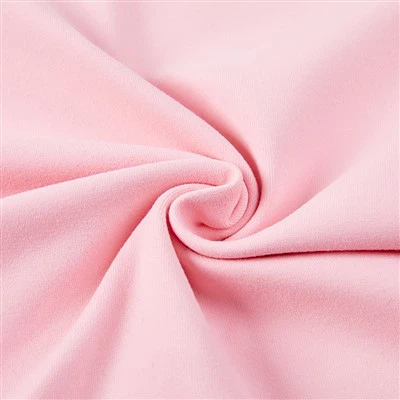
In the world of swimwear, the quest for the perfect balance between style, comfort, and performance is a continuous journey. One often overlooked aspect that significantly impacts a swimsuit's performance is the lining fabric. As a leading Swimsuit Lining Fabric supplier, I've witnessed firsthand how the right lining can transform a swimsuit, especially when it comes to buoyancy. In this blog, we'll explore the intricate relationship between lining fabric and a swimsuit's buoyancy, shedding light on the factors that matter most.


Understanding Buoyancy in Swimsuits
Buoyancy is the upward force exerted by a fluid, such as water, that opposes the weight of an immersed object. In the context of swimsuits, buoyancy can enhance a swimmer's experience by making it easier to stay afloat, reducing fatigue, and improving overall performance. The lining fabric plays a crucial role in determining a swimsuit's buoyancy, as it can either add to or detract from the natural buoyancy of the human body.
Factors Affecting Buoyancy
Several factors contribute to how a lining fabric affects a swimsuit's buoyancy. Let's take a closer look at each of these factors:
Density of the Lining Fabric
The density of a fabric refers to its mass per unit volume. A fabric with a lower density will generally provide more buoyancy because it weighs less in water. For example, lightweight synthetic fabrics like polyester and nylon are often used in swimwear linings due to their low density. These fabrics displace a relatively large volume of water for their weight, creating an upward force that helps the swimmer stay afloat.
On the other hand, heavier fabrics, such as cotton, may not be as effective in providing buoyancy. Cotton absorbs water, which increases its weight and reduces its buoyancy. As a result, swimsuits lined with cotton may feel heavier in the water and require more effort from the swimmer to stay afloat.
Porosity of the Lining Fabric
Porosity refers to the amount of open space or pores in a fabric. A fabric with high porosity allows water to flow through it more easily, which can affect buoyancy. Fabrics with low porosity, such as those with a tight weave or a waterproof coating, tend to trap air within the fabric. This trapped air acts as a buoyant force, helping the swimmer stay afloat.
For example, some swimwear linings are made with a microfiber fabric that has a very low porosity. The tight weave of the microfiber traps air bubbles, creating a layer of insulation and buoyancy. This type of lining can provide a significant advantage to swimmers, especially in competitive settings.
Stretch and Fit of the Lining Fabric
The stretch and fit of the lining fabric also play a role in buoyancy. A well-fitting lining that conforms to the body's shape can help to streamline the swimmer's silhouette, reducing drag and improving buoyancy. When the lining fabric is too loose, it can create pockets of water that add weight and reduce buoyancy.
On the other hand, a lining that is too tight can restrict the swimmer's movement and cause discomfort. Therefore, it's important to choose a lining fabric with the right amount of stretch and elasticity to ensure a comfortable and effective fit.
Types of Lining Fabrics and Their Impact on Buoyancy
Now that we understand the factors that affect buoyancy, let's explore some of the most common types of lining fabrics used in swimsuits and their impact on buoyancy:
Polyester Lining
Polyester is a popular choice for swimwear linings due to its low density, durability, and resistance to chlorine. Polyester fabrics are lightweight and have a smooth surface, which helps to reduce drag in the water. They also dry quickly, making them ideal for swimsuits that are used frequently.
In terms of buoyancy, polyester linings provide a moderate amount of buoyancy. The low density of polyester allows it to displace a relatively large volume of water, creating an upward force that helps the swimmer stay afloat. Additionally, polyester fabrics can be treated with special coatings to improve their water repellency and buoyancy.
Nylon Lining
Nylon is another commonly used lining fabric in swimsuits. Like polyester, nylon is lightweight, durable, and resistant to chlorine. Nylon fabrics have a high strength-to-weight ratio, which makes them ideal for swimsuits that require a lot of stretch and flexibility.
Nylon linings provide a similar level of buoyancy to polyester linings. The low density of nylon allows it to displace water and create an upward force. However, nylon fabrics tend to absorb more water than polyester fabrics, which can slightly reduce their buoyancy.
Microfiber Lining
Microfiber is a type of synthetic fabric that is made from extremely fine fibers. Microfiber fabrics have a very low porosity, which means they trap air within the fabric and provide excellent insulation and buoyancy. Microfiber linings are often used in high-performance swimsuits because they can help to reduce drag and improve the swimmer's speed and efficiency.
Microfiber linings provide a high level of buoyancy due to their ability to trap air. The trapped air acts as a buoyant force, helping the swimmer stay afloat with less effort. Additionally, microfiber fabrics are very soft and comfortable, making them a popular choice for swimsuits that are worn for extended periods of time.
The Importance of Sustainable and Chlorine Resistant Lining Fabrics
In addition to buoyancy, it's also important to consider the sustainability and chlorine resistance of the lining fabric. As a Swimsuit Lining Fabric supplier, we are committed to providing our customers with high-quality, sustainable, and chlorine-resistant lining fabrics.
Sustainable Swimwear Fabric
Sustainable swimwear fabrics are made from materials that are environmentally friendly and have a low impact on the planet. These fabrics are often made from recycled materials, such as recycled polyester or nylon, or from natural fibers, such as organic cotton or bamboo.
Using sustainable lining fabrics in swimsuits not only helps to reduce the environmental impact of the fashion industry but also provides a number of benefits to the swimmer. Sustainable fabrics are often more breathable and comfortable than traditional fabrics, which can improve the swimmer's overall experience. Additionally, sustainable fabrics are often more durable and resistant to wear and tear, which means they will last longer and require less frequent replacement.
If you're interested in learning more about sustainable swimwear fabrics, check out our Sustainable Swimwear Fabric page.
Chlorine Resistant Swimwear Fabric
Chlorine is a common chemical used in swimming pools to disinfect the water. However, chlorine can be very damaging to swimwear fabrics, causing them to fade, stretch, and lose their shape over time. To combat this problem, many swimwear manufacturers use chlorine-resistant lining fabrics in their swimsuits.
Chlorine-resistant lining fabrics are treated with special chemicals or coatings that help to protect the fabric from the damaging effects of chlorine. These fabrics are often more durable and long-lasting than traditional fabrics, which means they will retain their shape and color for longer periods of time.
If you're looking for a chlorine-resistant lining fabric for your swimsuits, check out our Chlorine Resistant Swimwear Fabric page.
Conclusion
In conclusion, the lining fabric plays a crucial role in determining a swimsuit's buoyancy. The density, porosity, stretch, and fit of the lining fabric all affect how much buoyancy a swimsuit provides. By choosing the right lining fabric, swimmers can improve their performance, reduce fatigue, and enjoy a more comfortable and enjoyable swimming experience.
As a Swimsuit Lining Fabric supplier, we offer a wide range of high-quality lining fabrics that are designed to provide optimal buoyancy, comfort, and performance. Whether you're a professional swimmer or a casual beachgoer, we have the perfect lining fabric for your needs.
If you're interested in learning more about our swimwear lining fabrics or would like to discuss your specific requirements, please don't hesitate to contact us. We look forward to working with you to create the perfect swimsuits for your customers.
References
- Cengel, Y. A., & Cimbala, J. M. (2014). Fluid Mechanics: Fundamentals and Applications. McGraw-Hill Education.
- Pendergast, D. R., & Maddocks, R. L. (2010). The Science of Swimming. Human Kinetics.
- Toussaint, H. M., & Truijens, M. M. (2005). Biomechanics of Swimming. Sports Medicine, 35(11), 969-992.