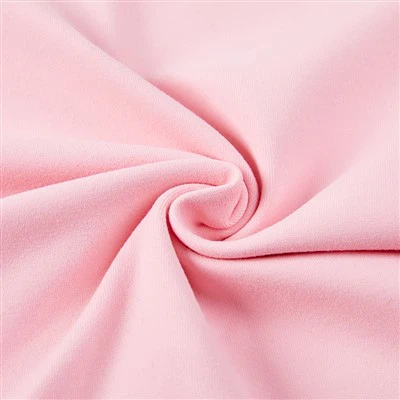
As a supplier of cycling jersey fabric, I often encounter questions from customers about the various properties of our products. One of the most frequently asked questions is whether cycling jersey fabric can resist UV rays. In this blog post, I'll delve into this topic, exploring the science behind UV resistance in cycling jersey fabrics, the factors that influence it, and how our fabrics measure up.
Understanding UV Rays and Their Impact
Before we discuss the UV resistance of cycling jersey fabric, it's important to understand what UV rays are and why they're a concern. Ultraviolet (UV) rays are a type of electromagnetic radiation emitted by the sun. They're divided into three categories: UVA, UVB, and UVC. UVC rays are mostly absorbed by the Earth's atmosphere and don't reach the surface, but UVA and UVB rays can have harmful effects on the skin.
UVA rays penetrate deep into the skin and are associated with premature aging, wrinkles, and skin cancer. UVB rays are responsible for sunburns and also play a role in skin cancer development. When cycling, you're exposed to these rays for extended periods, especially during long rides or in sunny climates. This makes UV protection an important consideration for cyclists.
How Cycling Jersey Fabric Can Resist UV Rays
Cycling jersey fabric can resist UV rays through a combination of factors, including the type of fibers used, the fabric's construction, and any additional treatments applied.
Fiber Selection
Certain fibers have natural UV-blocking properties. For example, polyester is a common choice for cycling jersey fabric because it has inherent UV resistance. Polyester fibers can block a significant amount of UV rays, providing a base level of protection. Nylon is another fiber that can offer some UV protection, although it's generally not as effective as polyester.
Fabric Construction
The way the fabric is woven or knitted also affects its UV resistance. Tightly woven or knitted fabrics with a high thread count tend to block more UV rays than loosely constructed fabrics. This is because the tight structure creates a physical barrier that prevents UV rays from passing through. Additionally, fabrics with a thicker or denser construction are more likely to provide better UV protection.
UV-Resistant Treatments
In addition to fiber selection and fabric construction, many cycling jersey fabrics are treated with special chemicals to enhance their UV resistance. These treatments can include the application of UV-absorbing agents or the addition of nanomaterials that reflect or scatter UV rays. These treatments can significantly increase the fabric's ability to block UV rays, providing an extra layer of protection for cyclists.
Factors That Influence UV Resistance
While cycling jersey fabric can resist UV rays, several factors can influence its effectiveness.
Color
The color of the fabric can affect its UV resistance. Darker colors tend to absorb more UV rays than lighter colors, which can make them more effective at blocking UV rays. However, this also means that darker fabrics may absorb more heat, which can be uncomfortable for cyclists in hot weather.
Wear and Tear
Over time, the UV resistance of cycling jersey fabric can decrease due to wear and tear. Washing, drying, and exposure to sunlight can all cause the fabric to degrade, reducing its ability to block UV rays. It's important to follow the manufacturer's care instructions to maintain the fabric's UV resistance for as long as possible.
Stretch
Stretchy fabrics are often used in cycling jerseys to provide a comfortable and form-fitting fit. However, stretching the fabric can reduce its UV resistance. When the fabric is stretched, the spaces between the fibers become larger, allowing more UV rays to pass through. This means that the UV protection of a cycling jersey may be reduced when it's worn and stretched during a ride.
Our Cycling Jersey Fabrics and UV Resistance
At our company, we take UV resistance seriously. We offer a range of cycling jersey fabrics that are designed to provide excellent UV protection. Our Quick-drying Cycling Jersey Fabric is made from high-quality polyester fibers that have inherent UV resistance. The fabric is also treated with a special UV-absorbing agent to enhance its protection. This fabric is not only quick-drying but also provides reliable UV protection, making it a great choice for cyclists.


Our Best Fabric for Cycling Jersey is another option that offers excellent UV resistance. This fabric is tightly woven with a high thread count, creating a physical barrier that blocks UV rays. It's also treated with a nanomaterial that reflects and scatters UV rays, providing an extra layer of protection. This fabric is known for its durability and comfort, making it a top choice for cyclists who want the best.
Our Bike Jersey Fabric is designed to meet the needs of cyclists of all levels. It's made from a blend of fibers that offer a balance of UV resistance, breathability, and stretch. The fabric is also treated with a UV-resistant finish to ensure long-lasting protection. Whether you're a casual cyclist or a professional racer, our bike jersey fabric can provide the UV protection you need.
Conclusion
In conclusion, cycling jersey fabric can resist UV rays through a combination of fiber selection, fabric construction, and additional treatments. While several factors can influence the effectiveness of the UV protection, our cycling jersey fabrics are designed to provide reliable and long-lasting protection. If you're looking for high-quality cycling jersey fabric that offers excellent UV resistance, we invite you to explore our product range.
We're committed to providing our customers with the best cycling jersey fabrics on the market. If you have any questions or would like to discuss your specific requirements, please don't hesitate to contact us. We're here to help you find the perfect fabric for your cycling jerseys.
References
- Diffey, B. L. (1991). Solar ultraviolet radiation effects on human skin. British Medical Bulletin, 47(3), 587-607.
- American Cancer Society. (2023). Ultraviolet (UV) radiation. Retrieved from https://www.cancer.org/cancer/cancer-causes/radiation-exposure/ultraviolet-radiation.html
- International Ultraviolet Association. (2023). UV protection clothing. Retrieved from https://www.iuva.org/uv-protection-clothing/