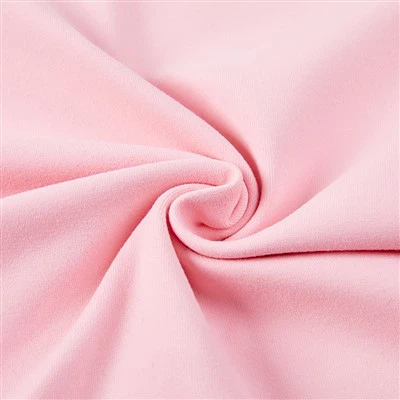
Hey there, yoga enthusiasts and fitness buffs! As a long - time yoga fabric supplier, I've been getting a ton of questions lately about whether yoga fabric can resist pilling. So, I thought I'd sit down and write this blog to share my knowledge and experiences on the topic.
First off, let's talk about what pilling actually is. Pilling happens when the fibers in a fabric start to break down due to friction. You know, when your yoga pants rub against the mat during those intense poses, or when your top rubs against your arms as you stretch. These tiny broken fibers then clump together and form little balls on the surface of the fabric, making it look old and worn out.
Now, the big question: Can yoga fabric resist pilling? Well, the answer isn't a simple yes or no. It depends on a few different factors.
The Type of Fibers Used
The fibers that make up the yoga fabric play a huge role in its pilling resistance. Some fibers are more prone to pilling than others.
Natural Fibers
Cotton is a popular natural fiber used in yoga wear. It's soft, breathable, and comfortable. However, cotton is quite prone to pilling. The short fibers in cotton can easily break off and form pills, especially after multiple washes and wears. Linen is another natural option. It's lightweight and has good breathability, but similar to cotton, it can also pill over time.
Synthetic Fibers
Synthetic fibers, on the other hand, often have better pilling resistance. Polyester is a common synthetic fiber used in yoga fabric. It's strong, durable, and less likely to pill compared to natural fibers. Polyester fibers are long and smooth, which means they don't break off as easily. Nylon is another great option. It's known for its high strength and abrasion resistance. Nylon fibers are also less likely to form pills, making it a great choice for activewear.
We offer a Nylon 75% Spandex 25% Yoga Wear Fabric that combines the strength of nylon with the stretch of spandex. This fabric is not only super stretchy but also has excellent pilling resistance. The nylon component helps to keep the fabric looking new even after many uses and washes.
The Weave or Knit of the Fabric
The way the fabric is woven or knitted also affects its pilling resistance.
Knit Fabrics
Knit fabrics are very common in yoga wear because of their stretchiness. There are different types of knits, and some are more resistant to pilling than others. A tight - knit fabric generally has better pilling resistance than a loose - knit one. In a tight - knit fabric, the fibers are held more securely, so they're less likely to break off and form pills.
Our Yoga Knit Fabric is a high - quality knit fabric that's designed to resist pilling. The tight knit structure keeps the fibers in place, ensuring that the fabric maintains its smooth appearance over time.
Woven Fabrics
Woven fabrics are less stretchy than knit fabrics but can also have good pilling resistance. A plain weave, for example, is a simple and strong weave that can be quite resistant to pilling. However, woven fabrics may not be as popular for yoga wear because they lack the stretch needed for those flexible poses.
The Quality of the Fabric
The overall quality of the yoga fabric matters a lot when it comes to pilling resistance. Higher - quality fabrics are usually made with better fibers and more precise manufacturing processes.
A well - made fabric will have fewer loose fibers on the surface, which means there are fewer fibers available to break off and form pills. Also, high - quality fabrics often undergo special treatments to improve their durability and pilling resistance.
At our company, we take quality very seriously. We source the best fibers and use advanced manufacturing techniques to ensure that our yoga fabrics have excellent pilling resistance. Our 4 Way Stretch Yoga Fabric is a prime example. It's made with high - quality fibers and a precise knitting process, resulting in a fabric that's not only stretchy in all directions but also highly resistant to pilling.
Care and Maintenance
Even the most pilling - resistant yoga fabric can start to pill if it's not cared for properly. Here are some tips to help you keep your yoga fabric looking new:
- Wash Inside Out: Turning your yoga clothes inside out before washing can reduce the friction between the fabric and other items in the washing machine. This helps to prevent the fibers from breaking off.
- Use a Gentle Cycle: A gentle cycle on your washing machine is less harsh on the fabric. Avoid using a high - speed spin cycle, as this can also cause the fibers to break.
- Avoid Over - Washing: Washing your yoga clothes too often can wear out the fabric and increase the chances of pilling. Only wash them when they're really dirty.
- Air Dry: Tumble drying can generate a lot of heat and friction, which can damage the fabric and lead to pilling. Air drying is a much gentler option.
In conclusion, while no yoga fabric is completely immune to pilling, there are definitely ways to choose and care for fabrics that are more resistant to it. By considering the type of fibers, the weave or knit, the quality of the fabric, and proper care and maintenance, you can enjoy yoga wear that looks great and lasts a long time.
If you're in the market for high - quality, pilling - resistant yoga fabric, I'd love to talk to you. Whether you're a yoga clothing brand looking to source fabric for your next collection or an individual interested in making your own yoga gear, we've got you covered. Just reach out, and we can start a conversation about your specific needs.


References
- Textile Institute. "Textile Terms and Definitions."
- Consumer Reports. "Fabric Durability and Care Guides."