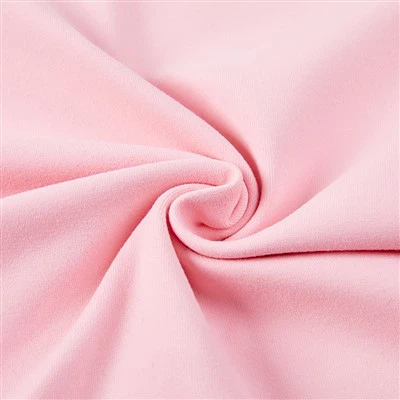
Hey there! As a shirt fabrics supplier, I'm super stoked to dive deep into the details of chamois shirt fabrics with you. Chamois fabrics have a rich history and unique characteristics that make them stand out in the world of shirt materials. Let's get right into it!
What is Chamois Fabric?
First off, chamois fabric has an interesting origin. Originally, the term "chamois" referred to the skin of the chamois, a type of mountain goat. But nowadays, chamois fabric is usually made from cotton or a blend of cotton and other fibers. It's known for its softness, durability, and absorbent qualities.
The texture of chamois fabric is what really sets it apart. It has a slightly fuzzy or napped surface, which gives it a warm and cozy feel. This napping process involves brushing the fabric to raise the fibers, creating that soft, velvety texture that we all love.
Composition and Blends
When it comes to the composition of chamois shirt fabrics, cotton is the star of the show. Cotton is a natural fiber that's breathable, comfortable, and hypoallergenic. It allows air to circulate through the fabric, keeping you cool in the summer and warm in the winter.
However, many chamois fabrics are also blended with other fibers to enhance certain properties. For example, a Cotton Polyester Blend Printed Shirt Fabric combines the best of both worlds. Polyester adds strength, wrinkle resistance, and colorfastness to the fabric. This means that your shirt will hold its shape better, resist wrinkles, and keep its vibrant colors even after multiple washes.
Another popular blend is cotton and rayon. Rayon is a semi-synthetic fiber that's known for its softness and drape. When blended with cotton, it creates a fabric that's both comfortable and has a nice flow. This type of blend is often used in dress shirts for a more sophisticated look.

Weave and Construction
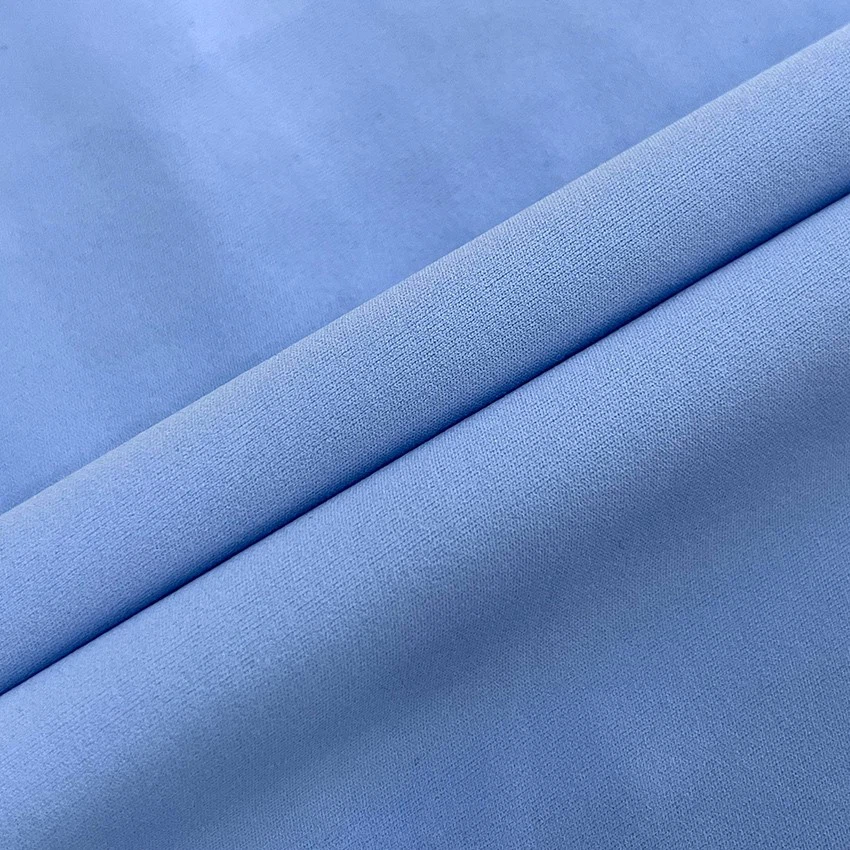
The weave of a chamois fabric also plays a crucial role in its performance and appearance. One of the most common weaves for chamois shirts is the twill weave. Twill weaves create a diagonal pattern on the fabric, which gives it a more structured and durable feel. Twill-woven chamois fabrics are often used in work shirts and casual wear because they can withstand a lot of wear and tear.
There's also the plain weave, which is a simple over-and-under pattern. Plain-woven chamois fabrics are lighter and more breathable, making them a great choice for summer shirts. They have a smooth surface and a more delicate appearance compared to twill weaves.
Color and Dyeing
Chamois fabrics come in a wide range of colors. Natural chamois colors are often earthy tones like beige, brown, and tan, which give the fabric a rustic and timeless look. However, modern dyeing techniques allow for a much broader color palette. You can find chamois shirts in bright, bold colors as well as pastels and neutrals.
The dyeing process is an important step in creating high-quality chamois fabrics. We use advanced dyeing methods to ensure that the colors are vibrant, long-lasting, and colorfast. This means that your shirt won't fade or bleed when washed, so you can enjoy its beautiful color for a long time.
Comfort and Performance
One of the main reasons people love chamois shirts is their comfort. The soft, napped surface of the fabric feels great against the skin, and it's gentle even for those with sensitive skin. Chamois fabrics are also absorbent, which means they can wick away moisture from your body, keeping you dry and comfortable throughout the day.
In terms of performance, chamois shirts are durable and long-lasting. They can withstand regular wear and washing without losing their shape or color. Whether you're wearing a chamois shirt for work, play, or everyday use, you can count on it to hold up well.
Care and Maintenance
Taking care of your chamois shirt is relatively easy. Most chamois fabrics can be machine washed on a gentle cycle using a mild detergent. It's best to avoid using bleach or harsh chemicals, as they can damage the fabric and fade the colors.
When drying your chamois shirt, it's a good idea to tumble dry on low heat or air dry. High heat can shrink the fabric and damage the napped surface. Once dry, you can iron the shirt on a low to medium setting if needed. Just be careful not to iron directly on the napped surface, as this can flatten the fibers.
Other Types of Shirt Fabrics
While chamois fabrics are amazing, there are other types of shirt fabrics that you might also be interested in. For example, Warp-Knit Polyester Shirt Fabric is a great option for those who want a lightweight, breathable, and stretchy fabric. It's often used in athletic and performance wear because it can wick away moisture quickly and dry fast.
If you're looking for the Most Comfortable T Shirt Material, you might want to consider fabrics like organic cotton or bamboo. These natural fibers are soft, breathable, and eco-friendly.
Why Choose Our Shirt Fabrics?
As a shirt fabrics supplier, we take pride in offering high-quality chamois and other shirt fabrics. We source our materials from the best suppliers and use the latest manufacturing techniques to ensure that our fabrics meet the highest standards of quality and performance.
We also offer a wide range of colors, patterns, and blends to suit your needs. Whether you're a fashion designer looking for unique fabrics or a retailer looking to stock up on popular styles, we've got you covered.
Get in Touch for Procurement
If you're interested in purchasing our shirt fabrics, we'd love to hear from you! Whether you have questions about our products, need samples, or want to discuss a custom order, don't hesitate to reach out. We're here to help you find the perfect fabric for your project.
References
- Textile Institute. (Year). Handbook of Textile Fibres.
- Vickery, A. (Year). The Fabric of Civilization: How Textiles Made the World.