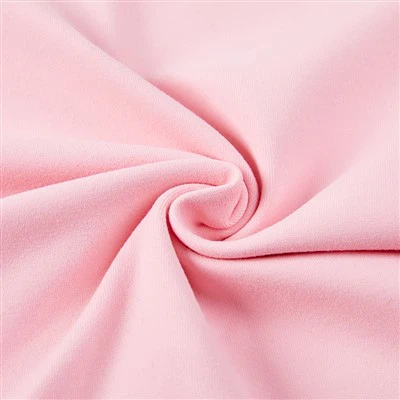
Hey there! I'm a supplier of Sustainable Swimwear Fabric, and I often get asked this question: Can sustainable swimwear fabric be as durable as traditional fabric? Well, let's dive right in and explore this topic.
First off, let's talk about what we mean by sustainable swimwear fabric. Sustainable swimwear fabrics are typically made from recycled materials or natural fibers. For example, some are crafted from recycled plastic bottles, fishing nets, or other post - consumer waste. Others are made from natural materials like organic cotton, bamboo, or hemp. On the other hand, traditional swimwear fabrics are usually made from synthetic materials such as polyester or nylon. These materials have been around for a long time and are known for their durability and stretch.
When it comes to durability, there are a few key factors to consider: resistance to chlorine, UV rays, and general wear and tear.
Chlorine is a common chemical found in swimming pools. It's great for keeping the water clean, but it can be tough on swimwear fabric. Traditional synthetic fabrics like polyester and nylon have a pretty good track record when it comes to chlorine resistance. They can withstand repeated exposure to chlorine without losing their shape or color too quickly. But what about sustainable fabrics?
Some sustainable swimwear fabrics, especially those made from recycled polyester, can be just as resistant to chlorine as traditional polyester. Recycled polyester is chemically the same as virgin polyester, so it has similar properties. However, natural fibers like organic cotton may not fare as well. Cotton tends to absorb water and chemicals, which can cause it to break down faster in a chlorinated pool. But there are treatments and blends that can improve the chlorine resistance of natural fibers. For instance, some sustainable swimwear uses a blend of organic cotton and recycled polyester to get the best of both worlds - the comfort of cotton and the chlorine resistance of polyester.
UV rays are another enemy of swimwear fabric. Prolonged exposure to the sun can cause fabric to fade, weaken, and lose its elasticity. Traditional synthetic fabrics are generally quite good at blocking UV rays. They have a tight weave that helps to prevent the sun's rays from penetrating the fabric. Sustainable fabrics also vary in their UV protection capabilities. Fabrics made from recycled materials often have similar UV - blocking properties to their non - recycled counterparts. Natural fibers, however, may need some help. Some sustainable swimwear brands use natural dyes and treatments that can enhance the UV protection of natural fibers. For example, bamboo fabric can be treated to increase its ability to block UV rays.
General wear and tear is also an important aspect of durability. Swimwear is constantly being stretched, pulled, and rubbed against the body and other surfaces. Traditional fabrics are known for their stretch and recovery properties. They can stretch to fit the body and then bounce back to their original shape. Sustainable fabrics are catching up in this area. Many sustainable swimwear fabrics, especially those made from recycled materials, have excellent stretch and recovery. They are designed to be just as flexible and long - lasting as traditional fabrics.
Let's take a look at some specific types of sustainable swimwear fabrics.
One popular option is recycled nylon. Recycled nylon is made from post - consumer waste such as fishing nets and old carpets. It has similar properties to virgin nylon, which means it's strong, stretchy, and resistant to abrasion. It can handle the rigors of swimming, diving, and other water activities. You can find recycled nylon in a variety of swimwear styles, from bikinis to one - piece suits.
Another option is ECONYL®, a type of recycled nylon. ECONYL® is made from discarded fishing nets and other nylon waste. It's not only sustainable but also extremely durable. It has excellent chlorine and UV resistance, and it can be recycled again at the end of its life. ECONYL® is used by many high - end swimwear brands because of its quality and sustainability credentials.
When it comes to natural fibers, Tencel is a great choice. Tencel is made from wood pulp, usually from sustainably managed forests. It's soft, breathable, and has good moisture - wicking properties. While it may not be as chlorine - resistant as synthetic fabrics on its own, it can be blended with other materials to improve its durability. Tencel is often used in the lining of swimwear, where it provides a comfortable and sustainable alternative to traditional lining materials. You can learn more about Swimsuit Lining Fabric on our website.
Now, let's talk about the benefits of choosing sustainable swimwear fabric.
First of all, it's better for the environment. By using recycled materials, we can reduce the amount of waste that ends up in landfills and oceans. Sustainable swimwear also often uses less water and energy in the manufacturing process compared to traditional swimwear. This helps to conserve natural resources and reduce the carbon footprint of the fashion industry.


Secondly, sustainable swimwear can be just as stylish as traditional swimwear. There are many sustainable swimwear brands that offer a wide range of designs, colors, and patterns. You don't have to sacrifice fashion for sustainability.
As a supplier of Sustainable Swimwear Fabric, I'm constantly working to improve the quality and durability of our fabrics. We are committed to providing our customers with sustainable options that are just as good as traditional fabrics. We test our fabrics rigorously to ensure that they meet the highest standards of durability, comfort, and sustainability.
We also offer a variety of ribbed swimwear fabrics. Ribbed fabrics are known for their stretch and durability. They can add a unique texture and style to swimwear. You can check out our Ribbed Swimwear Fabric on our website.
In conclusion, sustainable swimwear fabric can be as durable as traditional fabric. While there are some differences in the properties of different types of sustainable fabrics, many of them are designed to be just as strong, stretchy, and long - lasting as traditional fabrics. With advancements in technology and manufacturing processes, the gap between sustainable and traditional swimwear fabrics is getting smaller and smaller.
If you're a swimwear manufacturer or a brand looking for high - quality, sustainable swimwear fabric, I'd love to talk to you. We can discuss your specific needs and find the perfect fabric for your swimwear line. Whether you're looking for a chlorine - resistant fabric for a pool - side collection or a UV - blocking fabric for a beach - ready style, we have the solutions. Let's work together to create swimwear that is both sustainable and durable.
References
- "Sustainable Textiles: An Introduction" by Jane Fellows
- "The Handbook of Sustainable Fashion" edited by Dilys Williams
- Industry reports on swimwear fabric durability and sustainability