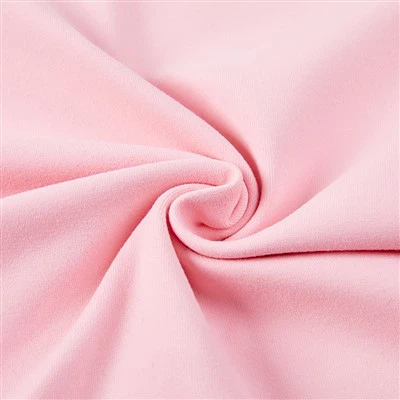
When it comes to shirts, the fabric is a crucial factor that determines not only the look but also the comfort, durability, and functionality of the garment. As a leading shirt fabrics supplier, I've had the privilege of working with a wide range of materials, each with its own unique characteristics. In this blog, I'll introduce you to some of the most common types of shirt fabrics, helping you understand their properties and choose the right one for your needs.
Cotton
Cotton is perhaps the most popular fabric for shirts, and for good reason. It is soft, breathable, and comfortable to wear, making it ideal for everyday use. Cotton shirts are also absorbent, which means they can wick away moisture from the skin, keeping you dry and cool. Additionally, cotton is a natural fiber, which makes it hypoallergenic and suitable for people with sensitive skin.
There are several different types of cotton, each with its own properties. For example, Egyptian cotton is known for its long fibers, which make it soft, strong, and luxurious. Pima cotton is another high-quality cotton that is similar to Egyptian cotton but is grown in the United States. Both Egyptian and Pima cotton are often used in high-end shirts.
On the other hand, regular cotton, also known as upland cotton, is more commonly used in everyday shirts. It is less expensive than Egyptian and Pima cotton but still offers good quality and comfort. If you're looking for a comfortable and affordable shirt, a regular cotton shirt is a great choice.
Polyester
Polyester is a synthetic fiber that is often used in shirt fabrics. It is strong, durable, and wrinkle-resistant, which makes it easy to care for. Polyester shirts are also quick-drying, which means they can be worn in wet conditions without feeling heavy or uncomfortable.
One of the main advantages of polyester is its affordability. It is generally less expensive than natural fibers like cotton, making it a popular choice for budget-friendly shirts. However, polyester is not as breathable as cotton, which means it can trap heat and moisture against the skin, making you feel hot and sticky.
To overcome this drawback, many shirt manufacturers blend polyester with other fibers, such as cotton. Cotton Polyester Blend Printed Shirt Fabric combines the best of both worlds, offering the comfort and breathability of cotton with the durability and wrinkle-resistance of polyester. This type of fabric is often used in casual shirts and workwear.
Linen
Linen is a natural fiber made from the flax plant. It is one of the oldest known fibers and has been used for clothing for thousands of years. Linen is known for its breathability, which makes it ideal for summer shirts. It is also absorbent, which means it can wick away moisture from the skin, keeping you cool and dry.
One of the main characteristics of linen is its texture. It has a slightly rough and slubby appearance, which gives it a unique and rustic look. Linen shirts are often associated with a casual and laid-back style, making them a popular choice for summer vacations and outdoor activities.
However, linen is also prone to wrinkling, which can be a drawback for some people. To minimize wrinkling, you can choose a linen blend or look for linen shirts that have been treated with a wrinkle-resistant finish. Despite its wrinkling tendency, many people love the natural look and feel of linen and are willing to embrace the wrinkles as part of its charm.
Silk
Silk is a luxurious and elegant fabric that is often used in high-end shirts. It is made from the cocoons of silkworms and has a smooth, soft, and shiny appearance. Silk shirts are known for their comfort and drape, which makes them look and feel great.


One of the main advantages of silk is its breathability. It is a natural fiber that can regulate body temperature, keeping you cool in the summer and warm in the winter. Silk is also hypoallergenic, which makes it suitable for people with sensitive skin.
However, silk is also a delicate fabric that requires special care. It is prone to staining and wrinkling, and it should be dry cleaned or hand washed in cold water. Despite its high maintenance, silk shirts are a timeless classic that can add a touch of sophistication to any outfit.
Rayon
Rayon is a semi-synthetic fiber made from wood pulp. It is often used as a substitute for silk or cotton because it has a similar look and feel but is less expensive. Rayon shirts are soft, smooth, and comfortable to wear, and they have a good drape.
One of the main advantages of rayon is its versatility. It can be blended with other fibers, such as cotton or polyester, to improve its properties. For example, a rayon-cotton blend can offer the comfort of cotton with the softness and drape of rayon. Rayon can also be printed or dyed easily, which makes it a popular choice for shirts with colorful patterns and designs.
However, rayon is also prone to shrinking and wrinkling, especially if it is not cared for properly. It should be washed in cold water and hung to dry to prevent shrinking. Despite its drawbacks, rayon is a popular fabric for shirts because of its affordability and versatility.
Warp-Knit Polyester
Warp-Knit Polyester Shirt Fabric is a type of synthetic fabric that is commonly used in sportswear and activewear shirts. It is made by knitting polyester fibers in a warp direction, which gives it a strong and stretchy structure.
One of the main advantages of warp-knit polyester is its moisture-wicking properties. It can quickly absorb and evaporate sweat, keeping you dry and comfortable during physical activities. Warp-knit polyester is also lightweight and breathable, which makes it ideal for warm weather.
In addition to its functional properties, warp-knit polyester is also easy to care for. It is machine washable and dries quickly, which makes it a convenient choice for busy people. If you're looking for a shirt that can keep up with your active lifestyle, a warp-knit polyester shirt is a great option.
Best T Shirt Material For Summer
When it comes to choosing the best material for a summer T-shirt, there are several factors to consider, such as breathability, comfort, and durability. Best T Shirt Material For Summer is a topic that many people are interested in, and there are several options to choose from.
Cotton is a classic choice for summer T-shirts because it is breathable and comfortable. It can absorb sweat and keep you cool, making it ideal for hot weather. However, cotton can also be heavy and take a long time to dry, which can be a drawback if you're sweating a lot.
Polyester is another option for summer T-shirts. It is lightweight, quick-drying, and moisture-wicking, which makes it a great choice for active people. However, polyester is not as breathable as cotton, which means it can trap heat and moisture against the skin.
Linen is a natural fiber that is known for its breathability and coolness. It is a great choice for summer T-shirts because it can keep you cool and dry even in hot weather. However, linen is also prone to wrinkling, which can be a drawback for some people.
Rayon is a semi-synthetic fiber that is soft, smooth, and comfortable. It is a good choice for summer T-shirts because it has a good drape and is breathable. However, rayon can also shrink and wrinkle easily, which means it requires special care.
Ultimately, the best material for a summer T-shirt depends on your personal preferences and needs. If you're looking for a comfortable and breathable T-shirt, cotton or linen is a great choice. If you're looking for a lightweight and quick-drying T-shirt, polyester or rayon is a better option.
Conclusion
As you can see, there are many different types of shirt fabrics, each with its own unique properties and advantages. Whether you're looking for a comfortable everyday shirt, a high-end dress shirt, or a sporty activewear shirt, there is a fabric that is right for you.
As a shirt fabrics supplier, I'm committed to providing my customers with the highest quality fabrics at competitive prices. If you're interested in learning more about our shirt fabrics or would like to place an order, please don't hesitate to contact me. I'd be happy to help you choose the right fabric for your needs and answer any questions you may have.
References
- "Textiles: Fiber to Fabric" by Mary G. Brooks.
- "The Complete Photo Guide to Sewing" by Reader's Digest.
- Various industry publications and websites.