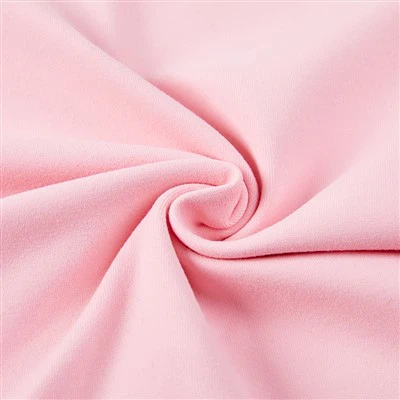
Do all cycling jersey fabrics have antibacterial properties?
As a supplier of cycling jersey fabrics, I often encounter questions from customers about the various properties of our products, and one frequently asked question is whether all cycling jersey fabrics have antibacterial properties. In this blog, I'll delve into this topic, exploring the science behind antibacterial fabrics, the types of cycling jersey fabrics available, and whether antibacterial properties are a standard feature.
Understanding Antibacterial Properties in Fabrics
Antibacterial fabrics are designed to inhibit the growth of bacteria. This is achieved through the use of specific chemicals or natural substances that can either kill bacteria or prevent their reproduction. There are several reasons why antibacterial properties are desirable in cycling jerseys. Cycling is a strenuous activity that causes the body to sweat profusely. Sweat provides an ideal environment for bacteria to thrive, which can lead to unpleasant odors and, in some cases, skin infections. Antibacterial fabrics can help to keep the jersey fresh and reduce the risk of skin problems.
The most common way to impart antibacterial properties to fabrics is through the use of chemical treatments. These treatments can be applied during the manufacturing process and are designed to be long - lasting. Some of the chemicals used include silver nanoparticles, which have well - documented antibacterial effects. Silver ions can penetrate the cell walls of bacteria, disrupting their normal functions and ultimately killing them. Another common chemical is triclosan, which has been used in a variety of antibacterial products for many years. However, there have been some concerns about the environmental impact of triclosan, and its use has been restricted in some countries.
Types of Cycling Jersey Fabrics
There are several types of fabrics commonly used in cycling jerseys, each with its own set of properties.
Polyester
Polyester is one of the most popular fabrics for cycling jerseys. It is lightweight, breathable, and has excellent moisture - wicking properties. Moisture - wicking means that the fabric can quickly move sweat away from the skin to the outer surface of the jersey, where it can evaporate. This helps to keep the cyclist dry and comfortable. However, not all polyester fabrics have antibacterial properties. Standard polyester fabrics are simply designed for moisture management and do not have any built - in antibacterial agents. But there are treated polyester fabrics available on the market. For example, some manufacturers use a silver - based treatment on polyester to give it antibacterial capabilities. You can find more information about this type of fabric on our Fabric for Cycling Jersey page.


Nylon
Nylon is another fabric that is sometimes used in cycling jerseys. It is known for its durability and abrasion resistance. Like polyester, nylon can also be treated to have antibacterial properties. However, untreated nylon fabrics do not inherently possess antibacterial qualities. Nylon is often blended with other fibers, such as spandex, to improve its stretch and fit. When considering a nylon - based cycling jersey fabric, it's important to check whether it has been treated for antibacterial protection. Our Best Fabric for Cycling Jersey page provides more details on the different fabric blends and their properties.
Merino Wool
Merino wool is a natural fiber that has gained popularity in cycling jerseys in recent years. It has several advantages, including excellent breathability, moisture - wicking, and temperature regulation. Merino wool also has some natural antibacterial properties. The structure of the wool fiber and the presence of certain proteins in the wool can inhibit the growth of bacteria. This means that even without any additional chemical treatments, a merino wool cycling jersey can stay fresher for longer compared to some synthetic fabrics. However, the antibacterial effect of merino wool may not be as strong as that of chemically treated fabrics in all situations. You can learn more about merino wool and other natural - fiber cycling jersey fabrics on our Bike Jersey Fabric page.
Do All Cycling Jersey Fabrics Have Antibacterial Properties?
The answer is a clear no. Not all cycling jersey fabrics have antibacterial properties. As we've seen, many standard synthetic fabrics like untreated polyester and nylon do not have built - in antibacterial agents. These fabrics are primarily designed for other functions such as moisture management and stretch.
On the other hand, some fabrics, like merino wool, have natural antibacterial properties to a certain extent. And there are also fabrics that have been treated with chemicals to give them antibacterial capabilities. When choosing a cycling jersey fabric, it's important for customers to be aware of whether the fabric has antibacterial properties or not.
Factors to Consider When Choosing Antibacterial Cycling Jersey Fabrics
If you're in the market for cycling jersey fabrics with antibacterial properties, there are several factors to consider.
Effectiveness
The first factor is the effectiveness of the antibacterial treatment. Different treatments can have different levels of effectiveness against different types of bacteria. For example, a silver - based treatment may be more effective against some common skin bacteria compared to a triclosan - based treatment. It's important to look for fabrics that have been tested against a wide range of bacteria and have proven results.
Durability of the Antibacterial Treatment
The antibacterial treatment should also be durable. This means that it should withstand multiple washes without losing its effectiveness. Some treatments may start to wear off after a few washes, which can reduce the antibacterial properties of the fabric. Look for fabrics that are advertised as having long - lasting antibacterial protection.
Comfort
Comfort is always a key factor in cycling jersey fabrics. Even if a fabric has excellent antibacterial properties, if it's not comfortable to wear, it won't be a good choice. Consider factors such as breathability, moisture - wicking, and stretch when choosing an antibacterial cycling jersey fabric.
Environmental Impact
As mentioned earlier, some antibacterial treatments, such as triclosan, can have a negative environmental impact. If you're environmentally conscious, look for fabrics that use more sustainable antibacterial treatments, such as natural substances or silver nanoparticles that are less harmful to the environment.
Conclusion
In conclusion, not all cycling jersey fabrics have antibacterial properties. While some natural fibers like merino wool have some inherent antibacterial qualities, many synthetic fabrics need to be treated to gain these properties. As a cycling jersey fabric supplier, we offer a wide range of fabrics, both with and without antibacterial treatments. Whether you're a cyclist looking for a fresh - smelling jersey or a manufacturer looking for high - quality fabrics, we can provide you with the right solution.
If you're interested in learning more about our cycling jersey fabrics or would like to discuss a potential purchase, please feel free to reach out. We're always happy to have in - depth discussions with our customers and help them find the best fabric for their needs.
References
- Textile Research Journal, various issues on fabric treatments and antibacterial properties.
- Journal of Sports Sciences, articles on the performance of different cycling jersey fabrics.
- Industry reports on the development and use of antibacterial fabrics in sports apparel.