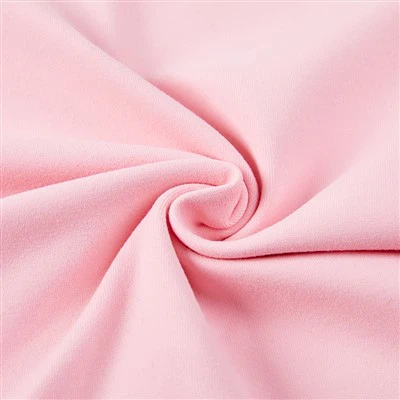
As a supplier of cycling jersey fabric, I often encounter various questions from customers regarding the care and maintenance of our products. One of the most frequently asked questions is, "Can cycling jersey fabric be ironed?" This blog post aims to provide a comprehensive answer to this question, drawing on scientific knowledge and practical experience in the field.
Understanding Cycling Jersey Fabric
Before delving into the question of ironing, it's essential to understand the nature of cycling jersey fabric. Cycling jerseys are typically made from high-performance materials designed to meet the specific needs of cyclists. These fabrics are chosen for their lightweight, breathable, and moisture-wicking properties, which help keep cyclists cool and dry during intense rides.
Common materials used in cycling jersey fabric include polyester, nylon, and spandex. Polyester is a popular choice due to its excellent moisture-wicking capabilities, durability, and resistance to wrinkles. Nylon is known for its strength and abrasion resistance, while spandex adds stretch and flexibility to the fabric, allowing for a comfortable and unrestricted fit.
For those interested in our high-quality cycling jersey fabrics, we offer a range of options, including Quick-drying Cycling Jersey Fabric, Bike Jersey Fabric, and Best Fabric for Cycling Jersey.
The Effects of Ironing on Cycling Jersey Fabric
The answer to whether cycling jersey fabric can be ironed is not a straightforward yes or no. It depends on several factors, including the type of fabric, the ironing temperature, and the presence of any special treatments or prints on the jersey.


Heat Sensitivity
Most cycling jersey fabrics are sensitive to heat. High temperatures can cause the fibers to melt, shrink, or lose their elasticity, which can damage the fabric and affect its performance. Polyester, for example, has a relatively low melting point, and exposing it to excessive heat can result in irreversible damage.
Special Treatments and Prints
Many cycling jerseys feature special treatments or prints, such as anti-odor coatings, reflective elements, or sublimated designs. Ironing these jerseys can damage these features, causing the coatings to peel off, the reflective elements to lose their effectiveness, or the prints to fade or distort.
Loss of Breathability
Ironing can also compress the fabric fibers, reducing the fabric's breathability. This can make the jersey less comfortable to wear, especially during intense physical activity when ventilation is crucial.
Safe Ironing Practices for Cycling Jersey Fabric
If you decide to iron your cycling jersey, it's essential to follow some safe ironing practices to minimize the risk of damage.
Check the Care Label
Before ironing, always check the care label on the jersey. The care label will provide specific instructions on how to care for the fabric, including whether ironing is recommended and what temperature setting to use.
Use a Low Temperature Setting
If the care label allows for ironing, set your iron to the lowest temperature setting. This will help prevent the fabric from overheating and minimize the risk of damage.
Use a Press Cloth
To further protect the fabric, place a thin press cloth, such as a cotton handkerchief or a piece of muslin, between the iron and the jersey. This will act as a barrier, preventing direct contact between the iron and the fabric and reducing the risk of heat damage.
Iron on the Reverse Side
Whenever possible, iron the jersey on the reverse side. This will help protect any special treatments or prints on the front of the jersey and minimize the risk of damage.
Avoid Ironing Over Zippers, Buttons, and Seams
Ironing over zippers, buttons, and seams can cause damage to the fabric and the hardware. Instead, focus on the flat areas of the jersey and avoid applying pressure to the seams and edges.
Alternatives to Ironing
If you're concerned about damaging your cycling jersey fabric, there are several alternatives to ironing that can help keep your jerseys looking their best.
Hang Drying
After washing, hang your cycling jerseys to dry. This will help the fabric retain its shape and minimize the formation of wrinkles. Make sure to hang the jerseys in a well-ventilated area away from direct sunlight, as excessive heat and sunlight can cause the fabric to fade and lose its elasticity.
Steam Cleaning
Steam cleaning is a gentle and effective way to remove wrinkles from cycling jersey fabric without using an iron. You can use a handheld steamer or a garment steamer to steam the jersey, following the manufacturer's instructions. Steam cleaning can also help refresh the fabric and remove any odors.
Professional Cleaning
If you're unsure how to care for your cycling jerseys or if you have a particularly delicate or expensive jersey, consider taking it to a professional cleaner. Professional cleaners have the expertise and equipment to clean and care for cycling jersey fabric safely and effectively.
Conclusion
In conclusion, while it is possible to iron cycling jersey fabric, it should be done with caution. Most cycling jersey fabrics are sensitive to heat, and improper ironing can cause damage to the fabric, including melting, shrinking, loss of elasticity, and damage to special treatments and prints. If you decide to iron your cycling jersey, make sure to follow the safe ironing practices outlined in this blog post to minimize the risk of damage.
As a cycling jersey fabric supplier, we are committed to providing our customers with high-quality fabrics that are durable, comfortable, and easy to care for. If you have any questions about our cycling jersey fabrics or need advice on how to care for them, please don't hesitate to contact us. We would be happy to assist you with your purchasing decisions and provide you with the information you need to keep your cycling jerseys looking and performing their best.
References
- Textile Institute. (2023). Handbook of Technical Textiles. Woodhead Publishing.
- ASTM International. (2023). Standard Test Methods for Physical Testing of Textiles. ASTM International.
- International Organization for Standardization (ISO). (2023). Textiles - Care Labelling Code Using Symbols. ISO.