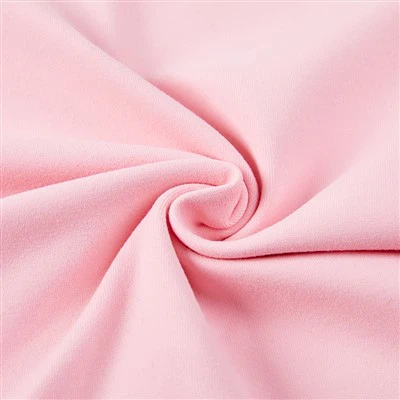
Are there any hypoallergenic swimsuit lining fabrics?
As a supplier of swimsuit lining fabrics, I often get asked about hypoallergenic options. With the increasing awareness of skin sensitivities and allergies, it's no wonder that customers are looking for swimwear that won't cause irritation. In this blog post, I'll explore the world of hypoallergenic swimsuit lining fabrics, discussing what makes a fabric hypoallergenic, the available options, and their benefits.
What makes a fabric hypoallergenic?
A hypoallergenic fabric is one that is less likely to cause an allergic reaction. This can be due to several factors, including the type of fiber used, the manufacturing process, and the finishing treatments applied to the fabric. Some fibers are naturally hypoallergenic, while others may require special processing to reduce their allergenic potential.
One of the key factors in determining a fabric's hypoallergenic properties is its fiber composition. Natural fibers such as cotton, silk, and wool are generally considered to be more hypoallergenic than synthetic fibers like polyester and nylon. This is because natural fibers are less likely to contain chemicals and dyes that can cause skin irritation. However, it's important to note that even natural fibers can cause allergies in some people, especially if they are not properly processed or treated.
Another important factor is the manufacturing process. Fabrics that are produced using environmentally friendly and sustainable methods are often more hypoallergenic than those that are produced using harsh chemicals and synthetic dyes. This is because these methods can reduce the amount of chemicals and toxins that are present in the fabric, making it less likely to cause an allergic reaction.
Finally, the finishing treatments applied to the fabric can also affect its hypoallergenic properties. Some fabrics are treated with anti-bacterial, anti-fungal, or water-repellent agents, which can help to prevent the growth of bacteria and fungi and keep the fabric dry. However, these treatments can also contain chemicals that can cause skin irritation, so it's important to choose fabrics that are treated with natural and non-toxic agents.
Available hypoallergenic swimsuit lining fabrics
There are several types of hypoallergenic swimsuit lining fabrics available on the market. Here are some of the most popular options:
- Cotton: Cotton is a natural fiber that is soft, breathable, and absorbent. It is also hypoallergenic, making it a popular choice for people with sensitive skin. Cotton lining fabrics are available in a variety of weights and weaves, making them suitable for different types of swimwear. However, cotton is not as durable as some synthetic fibers, so it may not be the best choice for high-performance swimwear.
- Bamboo: Bamboo is a natural fiber that is soft, breathable, and moisture-wicking. It is also hypoallergenic, antibacterial, and antifungal, making it a great choice for swimwear lining. Bamboo lining fabrics are available in a variety of weights and weaves, making them suitable for different types of swimwear. However, bamboo is not as durable as some synthetic fibers, so it may not be the best choice for high-performance swimwear.
- Modal: Modal is a synthetic fiber that is made from beech tree pulp. It is soft, breathable, and absorbent, making it a popular choice for swimwear lining. Modal lining fabrics are available in a variety of weights and weaves, making them suitable for different types of swimwear. Modal is also more durable than cotton and bamboo, making it a good choice for high-performance swimwear.
- Microfiber: Microfiber is a synthetic fiber that is made from polyester or nylon. It is soft, lightweight, and moisture-wicking, making it a popular choice for swimwear lining. Microfiber lining fabrics are available in a variety of weights and weaves, making them suitable for different types of swimwear. Microfiber is also more durable than cotton and bamboo, making it a good choice for high-performance swimwear.
Benefits of hypoallergenic swimsuit lining fabrics
There are several benefits to using hypoallergenic swimsuit lining fabrics. Here are some of the most important ones:


- Reduced skin irritation: Hypoallergenic swimsuit lining fabrics are less likely to cause skin irritation, making them a great choice for people with sensitive skin. This can help to prevent rashes, itching, and other skin problems that can be caused by wearing swimwear.
- Improved comfort: Hypoallergenic swimsuit lining fabrics are often soft, breathable, and absorbent, making them more comfortable to wear. This can help to reduce sweating and discomfort, especially during long periods of swimming or sunbathing.
- Better hygiene: Hypoallergenic swimsuit lining fabrics are often antibacterial and antifungal, making them more hygienic to wear. This can help to prevent the growth of bacteria and fungi, which can cause unpleasant odors and skin infections.
- Longer lifespan: Hypoallergenic swimsuit lining fabrics are often more durable than non-hypoallergenic fabrics, making them last longer. This can help to save money in the long run, as you won't have to replace your swimwear as often.
Other considerations when choosing swimsuit lining fabrics
In addition to hypoallergenic properties, there are several other factors to consider when choosing swimsuit lining fabrics. Here are some of the most important ones:
- Chlorine resistance: If you plan to swim in chlorinated water, it's important to choose a lining fabric that is chlorine resistant. Chlorine can damage some fabrics, causing them to fade, stretch, or lose their shape. Chlorine Resistant Swimwear Fabric is designed to withstand the harsh effects of chlorine, making it a great choice for competitive swimmers and frequent pool users.
- Stretch and recovery: Swimwear lining fabrics should have good stretch and recovery properties to ensure a comfortable and secure fit. Fabrics that are too tight or too loose can be uncomfortable to wear and may not provide the support you need. Look for fabrics that have a high percentage of spandex or elastane to ensure good stretch and recovery.
- Colorfastness: Swimwear lining fabrics should be colorfast to prevent fading and bleeding. This is especially important if you plan to wear your swimwear in the sun or in chlorinated water. Look for fabrics that are treated with colorfast dyes and finishes to ensure long-lasting color.
- Texture and feel: The texture and feel of the lining fabric can also affect the comfort of your swimwear. Some people prefer smooth and silky fabrics, while others prefer more textured fabrics. Consider your personal preferences when choosing a lining fabric.
Conclusion
In conclusion, there are several hypoallergenic swimsuit lining fabrics available on the market, each with its own unique properties and benefits. When choosing a lining fabric, it's important to consider your personal preferences, as well as the specific requirements of your swimwear. Whether you're looking for a soft and breathable cotton lining or a durable and chlorine-resistant microfiber lining, there is a fabric out there that will meet your needs.
If you're interested in learning more about our hypoallergenic swimsuit lining fabrics or would like to discuss your specific requirements, please don't hesitate to contact us. We would be happy to help you find the perfect fabric for your swimwear.
References
- Textile Institute. (2023). Handbook of Textile Fibres. Woodhead Publishing.
- ASTM International. (2023). Standards for Textiles. ASTM International.
- American Academy of Dermatology. (2023). Skin Allergies: Causes, Symptoms, and Treatment. American Academy of Dermatology.