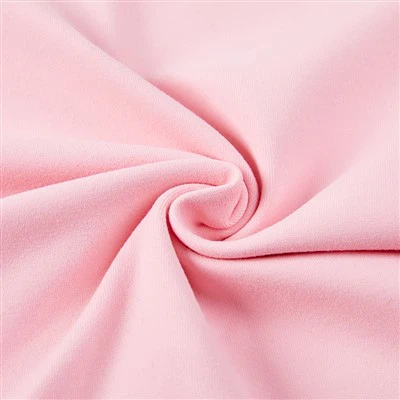
Dyeing tights fabric at home can be a fun and creative way to customize your clothing. As a tights fabric supplier, I understand the importance of quality and the desire for unique, personalized items. In this blog post, I'll share some tips and techniques on how to dye tights fabric effectively at home.
Choosing the Right Fabric
First and foremost, it's crucial to select the appropriate tights fabric for dyeing. Not all fabrics are created equal when it comes to accepting dye. Generally, natural fibers like cotton, silk, and wool tend to take dye well. Synthetic fibers such as polyester and nylon can be more challenging to dye, but with the right products and techniques, it's still possible.
Our Tights Fabric collection includes a variety of materials suitable for dyeing. Whether you prefer the softness of cotton or the stretch of nylon blends, we have options that will work well with different dyeing methods.
Selecting the Dye
There are several types of dyes available on the market, each with its own characteristics and suitability for different fabrics. Here are some common types of dyes:
- All - purpose dyes: These are versatile and can be used on a wide range of natural and synthetic fibers. They are relatively easy to use and are available in a variety of colors.
- Fiber - reactive dyes: Ideal for natural fibers like cotton, linen, and silk. They create a chemical bond with the fabric, resulting in long - lasting, vibrant colors.
- Acid dyes: Best for protein - based fibers such as wool, silk, and nylon. They require an acidic environment to work effectively.
When choosing a dye, consider the fabric type, the desired color intensity, and the durability of the color. It's also a good idea to test the dye on a small piece of fabric first to ensure you're happy with the results.
Preparing the Fabric
Before dyeing, it's essential to prepare the tights fabric properly. Start by washing the fabric to remove any dirt, oils, or sizing agents that may prevent the dye from adhering evenly. Use a mild detergent and avoid using fabric softeners, as they can create a barrier on the fabric.
Once the fabric is clean, soak it in warm water for about 30 minutes. This helps to open up the fibers and allows the dye to penetrate more easily. After soaking, wring out the excess water gently, but don't let the fabric dry completely.
Dyeing Process
Stovetop Method
This is a common and straightforward method for dyeing tights fabric at home. Here's how to do it:
- Prepare the dye bath: Fill a large pot with enough water to fully submerge the fabric. Follow the dye manufacturer's instructions to mix the dye powder or liquid with the water. If using a fiber - reactive dye, you may need to add soda ash to the water to create an alkaline environment.
- Heat the dye bath: Place the pot on the stove and heat the dye bath to the recommended temperature. For most all - purpose dyes, a simmering temperature (around 180°F or 82°C) is sufficient.
- Add the fabric: Carefully lower the wet fabric into the dye bath, making sure it is fully submerged. Stir the fabric constantly with a wooden spoon or a pair of tongs to ensure even dyeing.
- Dyeing time: The length of time the fabric stays in the dye bath depends on the desired color intensity. For a lighter color, 15 - 20 minutes may be enough, while a darker color may require 30 minutes to an hour.
- Rinsing: Once you're satisfied with the color, remove the fabric from the dye bath using tongs. Rinse the fabric under cold water until the water runs clear. Then, wash the fabric with a mild detergent to remove any excess dye.
Immersion Method
This method is suitable for larger batches of fabric or when you want to achieve a more uniform color.


- Prepare the dye solution: In a large container, mix the dye with water according to the manufacturer's instructions. Stir well to ensure the dye is fully dissolved.
- Submerge the fabric: Place the wet fabric into the dye solution and make sure it is completely covered. Use a stick or a paddle to stir the fabric gently for the first few minutes to ensure even distribution of the dye.
- Let it soak: Allow the fabric to soak in the dye solution for the recommended time. You can periodically stir the fabric to prevent uneven dyeing.
- Rinsing and washing: After the soaking time is up, remove the fabric from the dye solution and rinse it thoroughly under cold water. Wash the fabric with a mild detergent to remove any remaining dye.
Fixing the Color
To ensure the color is long - lasting, it's important to fix the dye. This can be done by using a fabric fixative or by following the after - treatment instructions provided with the dye. Some dyes may require a vinegar rinse to set the color, while others may need a heat - setting process.
Tips for Success
- Wear protective gear: When working with dyes, wear gloves, old clothes, and protective eyewear to avoid staining your skin and clothes.
- Work in a well - ventilated area: Dyeing can produce fumes, so it's important to work in a space with good air circulation.
- Experiment with colors: Don't be afraid to mix different dyes to create unique colors. You can also try techniques like tie - dyeing or ombre effects for a more creative look.
- Store the dye properly: Keep unused dye in a cool, dry place and follow the storage instructions on the package.
Customizing Your Tights
Once you've successfully dyed your tights fabric, you can use it to create a variety of items. You can make your own tights, leggings, or even use the fabric for other sewing projects like headbands or scarves.
Our Comfortable Yoga Pants Fabric and Gym Leggings Fabric can also be dyed using the same methods. These fabrics are perfect for activewear and can be customized to match your personal style.
Contact for Purchasing
If you're interested in purchasing high - quality tights fabric for your dyeing projects, we'd love to hear from you. Our team of experts can provide you with detailed information about our products and help you choose the right fabric for your needs. Whether you're a home sewer or a small business owner, we have the fabric solutions for you.
References
- "The Complete Guide to Fabric Dyeing" by Dyeing Experts
- Manufacturer's instructions for various fabric dyes
I hope this blog post has been helpful in guiding you through the process of dyeing tights fabric at home. With a little patience and creativity, you can create unique, personalized items that stand out from the crowd.