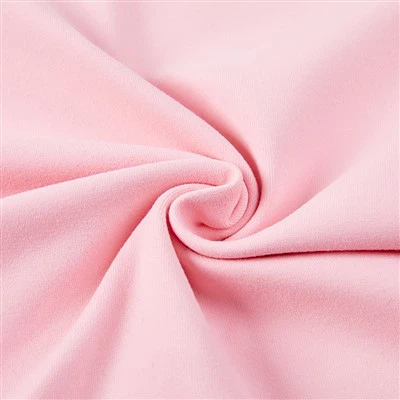
In the world of fitness and yoga, the importance of high - quality apparel cannot be overstated. Among the essential pieces of equipment, yoga pants made from soft fabric stand out as a staple for practitioners. As a supplier of Yoga Pants Soft Fabric, I've had the opportunity to closely examine how these soft fabric yoga pants hold up against wear and tear. In this blog, I'll delve into the science behind the durability of soft fabric yoga pants, explore the factors that contribute to their longevity, and share some insights based on real - world experiences.
The Science of Soft Fabric Durability
Soft fabric used in yoga pants is often engineered to meet the unique demands of physical activity. Many of these fabrics are a blend of synthetic materials such as nylon and spandex. For instance, the Nylon 75% Spandex 25% Yoga Wear Fabric is a popular choice. Nylon is known for its strength and abrasion resistance. It has a high tenacity, which means it can withstand pulling and stretching forces without easily breaking. This property makes it ideal for areas of the yoga pants that experience a lot of friction, like the knees and the crotch.
Spandex, on the other hand, provides elasticity. It allows the yoga pants to stretch and recover their shape repeatedly. When a person moves through different yoga poses, the pants need to stretch to accommodate the body's movements. The spandex in the fabric ensures that the pants can stretch up to a certain point and then bounce back to their original form. This elasticity is crucial for maintaining the fit of the pants over time. If the fabric loses its ability to stretch and recover, the pants may become baggy or too tight in some areas, reducing their functionality.


Another important aspect of soft fabric durability is its resistance to pilling. Pilling occurs when small balls of fiber form on the surface of the fabric due to friction. This can happen when the fabric rubs against other surfaces, such as yoga mats or the person's own skin. High - quality soft fabrics are treated or engineered to minimize pilling. For example, some fabrics have a smooth finish that reduces the likelihood of fibers snagging and forming pills.
Factors Affecting Wear and Tear
Frequency of Use
The more often yoga pants are worn, the more quickly they will experience wear and tear. Regular yoga practitioners who wear their pants several times a week will notice signs of aging faster than those who wear them occasionally. Each time the pants are stretched, washed, and dried, the fibers in the fabric are subjected to stress. Over time, this can weaken the fabric and lead to visible damage.
Type of Activity
The type of yoga or physical activity performed while wearing the pants also plays a role. For example, power yoga involves more dynamic and intense movements compared to gentle Hatha yoga. In power yoga, the pants are stretched to their limits more frequently, which can put more strain on the fabric. Additionally, activities that involve a lot of kneeling or crawling, such as Ashtanga yoga, can cause more abrasion on the knees and the front of the pants.
Washing and Drying Methods
Improper washing and drying can significantly reduce the lifespan of soft fabric yoga pants. Using harsh detergents can break down the fibers in the fabric. Detergents with strong chemicals can strip the fabric of its natural oils and cause it to become brittle. High - heat drying is also a culprit. Excessive heat can damage the spandex in the fabric, causing it to lose its elasticity. It's recommended to wash yoga pants in cold water with a mild detergent and air - dry them to preserve their quality.
Real - World Performance
Based on feedback from our customers and our own testing, soft fabric yoga pants made from high - quality materials can last a long time if properly cared for. We've had customers report that their pants have remained in good condition after several years of regular use. However, it's important to note that even the best - quality pants will eventually show signs of wear.
One of the benefits of our Yoga Pants Soft Fabric is its colorfastness. The fabric is dyed using advanced techniques that ensure the color remains vibrant even after multiple washes. This is important because faded colors can make the pants look old and worn out.
We've also found that the 4 Way Stretch Yoga Fabric we offer provides excellent performance in terms of stretch and recovery. Customers have reported that the pants maintain their shape well, even after extended periods of use. The four - way stretch allows for a full range of motion in all directions, which is essential for yoga practice.
Maintaining the Durability of Soft Fabric Yoga Pants
Choose the Right Size
Wearing yoga pants that are the correct size is crucial. Pants that are too tight can put excessive strain on the fabric, causing it to stretch beyond its limit and potentially tear. On the other hand, pants that are too loose may bunch up and create more friction, leading to pilling and abrasion.
Follow Care Instructions
As mentioned earlier, proper washing and drying are essential. Always read and follow the care instructions on the label of the yoga pants. Use a gentle cycle in the washing machine and avoid using fabric softeners, as they can leave a residue on the fabric and reduce its breathability.
Rotate Your Pants
If you have multiple pairs of yoga pants, rotate them regularly. This allows each pair to rest between uses, reducing the overall stress on the fabric. It also gives you the opportunity to notice any signs of wear early and take appropriate action.
Conclusion
Soft fabric yoga pants can hold up well against wear and tear if they are made from high - quality materials and properly cared for. The combination of strong fibers like nylon and elastic spandex provides the necessary strength and flexibility for yoga practice. By understanding the factors that affect wear and tear, such as frequency of use, type of activity, and washing methods, consumers can extend the lifespan of their yoga pants.
As a supplier of Yoga Pants Soft Fabric, we are committed to providing fabrics that meet the highest standards of quality and durability. If you're interested in purchasing our soft fabric for your yoga pants production or have any questions about our products, we encourage you to reach out to us for a procurement discussion. We look forward to working with you to create high - performance yoga pants that will stand the test of time.
References
- Textile Institute. Handbook of Technical Textiles. Woodhead Publishing, 2009.
- ASTM International. Standards for Testing Textile Fabrics. ASTM International, 2021.