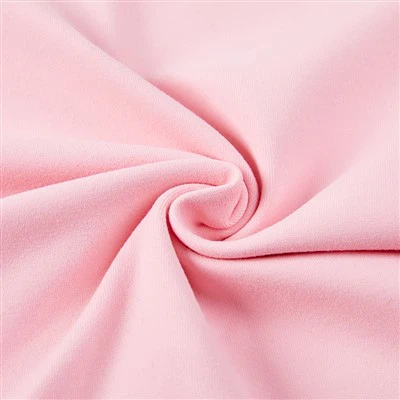
Hey there! As a swimwear fabric supplier, I've seen firsthand how important it is to store your swimwear fabric properly to keep it in tip - top shape. Whether you're a small - scale swimwear designer or a big - time manufacturer, the way you store your fabric can make a huge difference in its longevity and quality. So, let's dive right into some tips on how to store swimwear fabric effectively.
Understanding Your Swimwear Fabric
First things first, it's crucial to understand the type of swimwear fabric you're dealing with. There are various kinds out there, like the Swimwear Fabric By The Metre, which gives you the flexibility to buy just the amount you need. Ribbed swimwear fabric, or Ribbed Swimwear Fabric, has a unique texture that can add style to your swimsuits. And don't forget about the Sustainable Swimwear Fabric, which is not only good for the environment but also has its own set of storage requirements.
Most swimwear fabrics are made from synthetic materials like polyester, nylon, or a blend of these with spandex. These materials are known for their stretch, durability, and resistance to chlorine and saltwater. However, they can still be affected by factors such as light, heat, humidity, and improper handling.
Ideal Storage Conditions
Temperature and Humidity
Swimwear fabric should be stored in a cool, dry place. High temperatures can cause the fabric to lose its elasticity over time. A temperature range of 60 - 70°F (15 - 21°C) is ideal. Humidity is also a big no - no. Excess moisture can lead to mold and mildew growth, which can ruin the fabric. Aim for a relative humidity level of around 40 - 50%. You can use a hygrometer to monitor the humidity in your storage area. If the humidity is too high, you might want to consider using a dehumidifier.
Light Exposure
Sunlight and artificial light can fade the colors of your swimwear fabric. So, it's best to store your fabric in a dark place. If you have to use a storage area with windows, make sure to use curtains or blinds to block out the light. You can also use opaque storage containers or wrap the fabric in black plastic sheeting to protect it from light.
Storage Methods
Folding vs. Hanging
When it comes to storing swimwear fabric, you have two main options: folding or hanging. Folding is generally a better choice for most swimwear fabrics. Hanging can cause the fabric to stretch over time, especially if it's heavy or has a lot of spandex. When folding, make sure to fold the fabric along its natural grain to prevent creasing. You can use acid - free tissue paper between the folds to further protect the fabric.
If you do choose to hang your fabric, use padded hangers to prevent the fabric from slipping off. Also, don't hang the fabric for too long. It's a good idea to rotate the fabric periodically to prevent uneven stretching.
Storage Containers
Using the right storage containers can make a big difference. Plastic storage bins with tight - fitting lids are a great option. They protect the fabric from dust, light, and pests. You can label the bins with the type of fabric, color, and quantity to make it easier to find what you need. You can also use fabric storage bags made of breathable materials like cotton. These bags allow the fabric to "breathe" while still providing some protection.
Handling and Maintenance
Cleaning Before Storage
Before storing your swimwear fabric, it's important to clean it. Even if the fabric looks clean, there might be dirt, sweat, or chemicals on it that can cause damage over time. Follow the care instructions on the fabric label. Most swimwear fabrics can be machine - washed on a gentle cycle with a mild detergent. Make sure to rinse the fabric thoroughly to remove all the detergent.
Regular Inspections
It's a good idea to inspect your stored swimwear fabric regularly. Check for signs of mold, mildew, pests, or damage. If you notice any issues, take action immediately. For example, if you see mold, you can try to clean it off with a mild bleach solution (make sure to test it on a small, inconspicuous area first). If the damage is too severe, you might have to discard the fabric.
Special Considerations for Different Types of Swimwear Fabric
Ribbed Swimwear Fabric
Ribbed swimwear fabric has a unique texture that can be more prone to snagging. When storing ribbed fabric, make sure to keep it away from sharp objects. You can also fold it with the ribs facing inwards to protect them.
Sustainable Swimwear Fabric
Sustainable swimwear fabric, often made from recycled materials, might have different care requirements. Some sustainable fabrics are more sensitive to heat and chemicals. Make sure to follow the specific care instructions provided by the manufacturer.

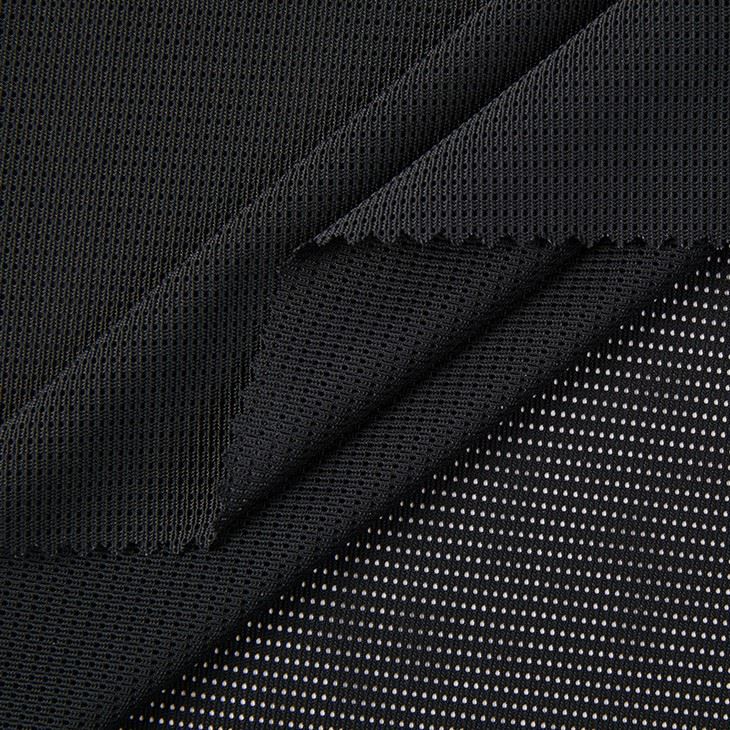
Conclusion
Storing swimwear fabric properly is essential to keep it in good condition. By understanding the type of fabric you have, creating the ideal storage conditions, using the right storage methods, and taking proper care of the fabric, you can ensure that your swimwear fabric stays in great shape for a long time.
If you're in the market for high - quality swimwear fabric, whether it's Swimwear Fabric By The Metre, Ribbed Swimwear Fabric, or Sustainable Swimwear Fabric, I'd love to talk to you. We offer a wide range of swimwear fabrics at competitive prices. Reach out to us for more information and let's start a great business relationship!
References
- Textile Storage Guidelines, Textile Institute
- Care and Maintenance of Synthetic Fabrics, American Association of Textile Chemists and Colorists