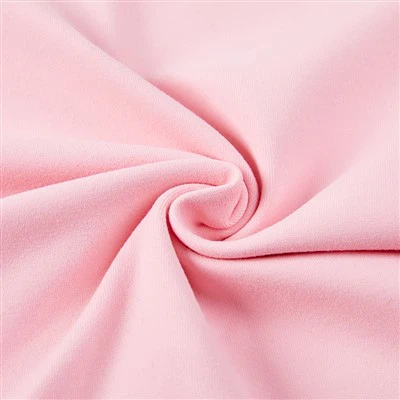
When it comes to yoga, the right fabric can significantly enhance your practice. As a dedicated supplier of Yoga Knit Fabric, I've delved deep into the properties of this remarkable material, especially its stretchiness. In this blog, we'll explore just how stretchy yoga knit fabric is and why it matters for your yoga apparel.
Understanding Knit Fabrics Basics
To comprehend the stretch of yoga knit fabric, it's essential to first understand the nature of knit fabrics in general. Unlike woven fabrics, which are made by interlacing two sets of threads at right - angles, knit fabrics are formed by interlooping yarns. This structure gives knit fabrics inherent elasticity. The loops can expand and contract, allowing the fabric to stretch and then return to its original shape. There are two main types of knit fabrics: weft knit and warp knit.
Weft knit fabrics are created by knitting one continuous yarn in the crosswise direction. This type of knitting is used in many common items like t - shirts and socks. The most basic weft knit stitch is the jersey stitch, which has a smooth face and a slightly bumpy back. Warp knit fabrics, on the other hand, are made by knitting multiple yarns along the length (or warp) of the fabric. Warp knits typically have more stability and less stretch compared to weft knits, but modern manufacturing techniques can adjust these characteristics.
The Composition of Yoga Knit Fabric
Yoga knit fabric is often a blend of different fibers. The most common fibers used include polyester, nylon, and spandex (also known as elastane). Polyester is a synthetic fiber that is strong, wrinkle - resistant, and quick - drying. It provides structure to the fabric and helps it maintain its shape over time. Nylon is another synthetic fiber that is known for its high strength and abrasion resistance. It adds durability to the yoga knit fabric, making it suitable for the various movements in yoga.
Spandex is the key ingredient when it comes to stretch. Even a small percentage of spandex in the fabric blend can significantly increase its stretchability. Spandex can stretch up to 500% of its original length and then snap back into place without losing its shape. A typical yoga knit fabric might contain anywhere from 5% to 20% spandex, depending on the desired level of stretch.
Measuring the Stretch of Yoga Knit Fabric
There are several ways to measure the stretch of a fabric. One common method is the tensile test. In a tensile test, a sample of the fabric is clamped at both ends and then pulled at a constant rate until it breaks. The amount of force required to stretch the fabric and the percentage of elongation at break are recorded. For yoga knit fabric, the elongation at break can be quite high, especially if it has a high spandex content.
Another important measure is the recovery rate. After the fabric is stretched, the recovery rate measures how well it returns to its original dimensions. A good yoga knit fabric should have a high recovery rate, so that it doesn't sag or lose its shape after repeated stretching during a yoga session.


How Stretchiness Benefits Yogis
The stretchy nature of yoga knit fabric offers numerous benefits for yogis. First and foremost, it allows for a full range of motion. Whether you're holding a deep forward fold, a challenging balance pose, or a powerful backbend, the fabric can stretch to accommodate your body's movements without restricting you. This freedom of movement is essential for performing yoga poses correctly and safely.
Secondly, stretchy fabric provides a comfortable fit. Unlike stiff or non - stretchy fabrics that can feel tight and constricting, yoga knit fabric can conform to your body shape, like a second skin. It adjusts to your curves and movements, providing a snug yet comfortable fit that doesn't dig into your skin or ride up.
Finally, the stretch of the fabric also contributes to its breathability. As the fabric stretches, it creates small gaps between the fibers, allowing air to circulate and moisture to evaporate. This helps to keep you cool and dry during your yoga practice, even when you're sweating.
The Role of Stretch in Different Yoga Apparel
Different types of yoga apparel require different levels of stretch. For example, Yoga Pants Soft Fabric need to be highly stretchy to allow for the wide range of leg movements in yoga. They should be able to stretch when you lunge, squat, or do a wide - legged forward bend, and then recover their shape when you return to a standing position.
Yoga tops also benefit from stretchy fabric. They need to stretch when you raise your arms overhead or twist your torso, while still maintaining their shape and coverage. A stretchy yoga top can move with your body, providing comfort and support throughout your practice.
Comparing Yoga Knit Fabric with Other Fabrics
When compared to other fabrics commonly used in activewear, yoga knit fabric stands out for its stretchiness. Cotton, for example, is a popular natural fiber, but it has limited stretch. While some cotton blends can be made more stretchy by adding spandex, pure cotton fabric lacks the elasticity needed for a full - range yoga practice.
Woven fabrics, such as denim or twill, are generally non - stretchy. They are made for durability and structure, but they are not suitable for the dynamic movements of yoga. The lack of stretch in woven fabrics can restrict movement and cause discomfort during a yoga session.
Maintaining the Stretch of Yoga Knit Fabric
To ensure that your yoga knit fabric retains its stretch over time, proper care is essential. First, always follow the care instructions on the garment label. In general, it's best to wash yoga knit fabric in cold water on a gentle cycle. Hot water can damage the spandex fibers and reduce the fabric's stretchability.
Avoid using harsh detergents or bleach, as these can also break down the fibers. Instead, use a mild, gentle detergent. When drying, it's recommended to air - dry the fabric. Tumble - drying on high heat can cause the fabric to shrink and lose its elasticity.
Choosing the Right Stretchy Yoga Knit Fabric for Your Needs
As a supplier of Best Fabric for Yoga Pants and yoga knit fabric in general, I understand that different customers have different needs. If you're looking for maximum stretch, a fabric with a higher percentage of spandex is the way to go. However, if you also need durability and moisture - wicking properties, a blend of polyester, nylon, and spandex might be more suitable.
Consider the type of yoga you practice. If you do a lot of fast - paced, dynamic yoga like vinyasa or power yoga, you'll need a fabric that can keep up with your movements and recover quickly. For a more gentle practice like yin or restorative yoga, you might prioritize comfort and softness as much as stretch.
Conclusion
In conclusion, the stretchiness of yoga knit fabric is one of its most important and valuable properties. It allows for a full range of motion, provides a comfortable fit, and contributes to breathability. Whether you're a yoga enthusiast looking for the perfect pair of yoga pants or a manufacturer in search of high - quality fabric, understanding the stretch of yoga knit fabric is essential.
If you're interested in sourcing top - quality yoga knit fabric for your business, I invite you to reach out. We offer a wide range of yoga knit fabrics with varying levels of stretch, composition, and performance characteristics. Let's start a conversation to find the perfect fabric for your needs.
References
- Textile Institute. (2023). Handbook of Textile Fibres. Woodhead Publishing.
- ASTM International. (2022). ASTM D5035 - 11(2019) Standard Test Method for Breaking Force and Elongation of Textile Fabrics (Strip Method).