

Is nylon spandex fabric static - prone?
As a dedicated supplier of nylon spandex fabric, I often encounter inquiries from customers regarding various properties of our products, and one question that frequently arises is whether nylon spandex fabric is static - prone. In this blog, I aim to provide a comprehensive and scientific analysis of this issue.
Understanding Nylon Spandex Fabric
Before delving into the question of static electricity, it's essential to understand the nature of nylon spandex fabric. Nylon is a synthetic polymer known for its strength, durability, and abrasion resistance. It has excellent elasticity recovery and can withstand repeated stretching without losing its shape. Spandex, on the other hand, is a highly elastic fiber that can stretch up to 500% of its original length and return to its initial state. When combined, nylon and spandex create a fabric that offers a unique blend of stretch, comfort, and durability.
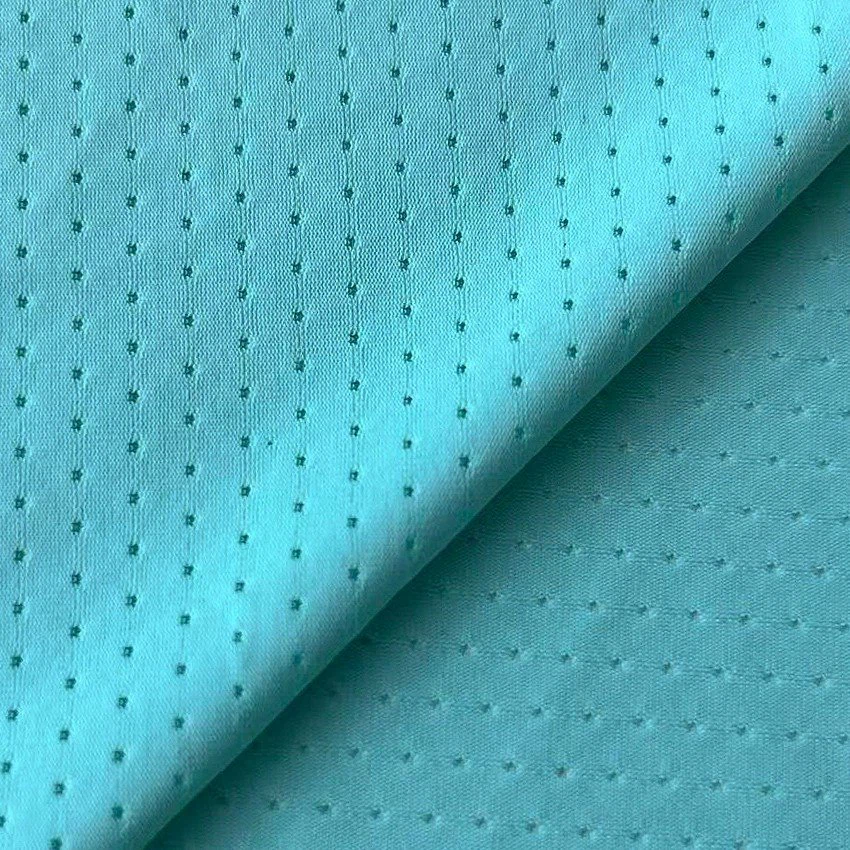
Our company offers a diverse range of nylon spandex fabrics, including Nylon Spandex Butterfly Mesh Fabric, Performance Nylon & Spandex Fabric, and Printed Nylon Lycra Fabric. These fabrics are widely used in various industries, such as sportswear, swimwear, lingerie, and dancewear, due to their outstanding performance characteristics.
The Science of Static Electricity
Static electricity is the result of an imbalance of electric charges within or on the surface of a material. When two different materials come into contact and then separate, electrons can be transferred from one material to the other. This transfer creates a positive charge on one material and a negative charge on the other. The materials then attract or repel each other, depending on the nature of the charges.
Several factors influence the generation of static electricity, including the type of materials involved, the humidity level, and the degree of friction. Materials that are good insulators, such as nylon and spandex, are more likely to accumulate static charges because they do not allow electrons to flow freely.
Is Nylon Spandex Fabric Static - Prone?
The answer to whether nylon spandex fabric is static - prone is not straightforward. It depends on several factors:
1. Composition
The ratio of nylon to spandex in the fabric can affect its static - generating properties. Generally, nylon has a higher tendency to generate static electricity compared to spandex. Fabrics with a higher percentage of nylon are more likely to be static - prone. However, the addition of spandex can help reduce the overall static buildup to some extent due to its different electrical properties.
2. Environmental Conditions
Humidity plays a crucial role in static electricity generation. In dry environments, the air has less moisture, which makes it easier for static charges to accumulate on the fabric. Conversely, in humid conditions, the moisture in the air can act as a conductor, allowing the static charges to dissipate more easily. For example, during the winter months when indoor heating systems dry out the air, nylon spandex fabrics are more likely to develop static electricity.
3. Finishing Treatments
Many modern nylon spandex fabrics undergo special finishing treatments to reduce static buildup. These treatments can include the application of antistatic agents, which work by either increasing the conductivity of the fabric or by neutralizing the static charges. Our company offers some of our nylon spandex fabrics with antistatic finishes to meet the specific needs of our customers.
4. Friction
Friction is another significant factor in static electricity generation. When nylon spandex fabric rubs against other materials, such as skin, other fabrics, or furniture, electrons can be transferred, leading to static buildup. For instance, if you're wearing nylon spandex leggings and they rub against a plastic chair, static electricity may be generated.
Testing the Static - Prone Nature of Nylon Spandex Fabric
To determine the static - prone nature of our nylon spandex fabrics, we conduct various tests in our in - house laboratory. One common test is the triboelectric charging test, which involves rubbing the fabric against a standard material to measure the amount of static charge generated. We also test the fabrics under different humidity conditions to simulate real - world scenarios.
Based on our testing results, we have found that while some nylon spandex fabrics can generate static electricity under certain conditions, the level of static buildup is generally lower compared to pure nylon fabrics. Moreover, our fabrics with antistatic finishes show significantly reduced static generation.
Mitigating Static Electricity in Nylon Spandex Fabric
If you're concerned about static electricity in nylon spandex fabric, there are several steps you can take to mitigate it:
1. Use Antistatic Products
You can use antistatic sprays or fabric softeners when laundering the fabric. These products can help reduce the static charge on the fabric's surface. Simply follow the instructions on the product label for best results.
2. Increase Humidity
As mentioned earlier, increasing the humidity in your environment can help dissipate static charges. You can use a humidifier in your home or workplace, especially during dry seasons.
3. Choose Antistatic Fabrics
When purchasing nylon spandex fabric, look for fabrics with antistatic finishes. Our company offers a range of antistatic nylon spandex fabrics that are ideal for applications where static electricity is a concern.

Conclusion
In conclusion, whether nylon spandex fabric is static - prone depends on multiple factors, including its composition, environmental conditions, finishing treatments, and the amount of friction it experiences. While nylon spandex fabric can generate static electricity under certain circumstances, modern manufacturing techniques and finishing treatments have made it possible to reduce static buildup significantly.
As a supplier, we are committed to providing high - quality nylon spandex fabrics that meet the diverse needs of our customers. Our team of experts is always available to answer your questions and provide guidance on choosing the right fabric for your specific application.
If you're interested in our nylon spandex fabrics, whether it's the Nylon Spandex Butterfly Mesh Fabric, Performance Nylon & Spandex Fabric, or Printed Nylon Lycra Fabric, please feel free to contact us for more information and to discuss your procurement needs. We look forward to working with you to find the perfect fabric solution for your project.
References
- "Textile Science and Technology: Fibers, Yarns, Fabrics, and Nonwovens" by Horst - Peter Schmauder.
- "Handbook of Fiber Science and Technology, Volume 3: High - Performance Fibers" edited by Menachem Lewin and Eli M. Pearce.
- Research papers on the electrical properties of synthetic fibers from academic journals such as the Journal of Applied Polymer Science.


