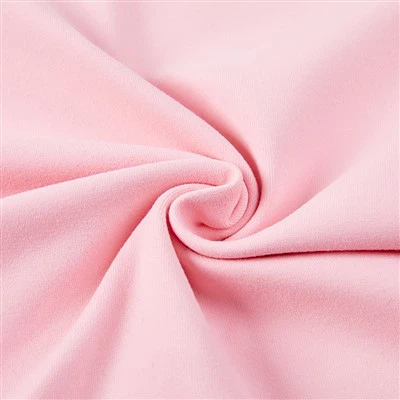
As a cycling jersey fabric supplier, I've witnessed firsthand the evolution of cycling gear and the increasing demand for comfort in cycling jerseys. Cyclists today expect more than just a stylish look; they need a fabric that enhances their performance and provides a comfortable riding experience. In this blog, I'll share some insights on how to make cycling jersey fabric more comfortable.
Understanding the Needs of Cyclists
Before delving into the ways to improve fabric comfort, it's crucial to understand what cyclists need from their jerseys. Cyclists spend long hours in the saddle, often in varying weather conditions. They require a fabric that can wick away sweat, provide breathability, offer stretch and flexibility, and resist abrasion. Additionally, the fabric should fit well without restricting movement and should be durable enough to withstand frequent use and washing.
Moisture Wicking and Breathability
One of the most important factors in cycling jersey comfort is moisture management. When cyclists sweat, the fabric needs to quickly wick the moisture away from the skin to keep them dry. This not only prevents the discomfort of wet clothing but also helps regulate body temperature.
To achieve excellent moisture wicking, we use advanced synthetic fibers such as polyester and nylon. These fibers have a high surface area, which allows them to absorb and transfer moisture more efficiently. Additionally, we incorporate special treatments and finishes that enhance the fabric's wicking properties.
Breathability is also closely related to moisture management. A breathable fabric allows air to circulate through the jersey, helping to evaporate sweat and keep the cyclist cool. We design our fabrics with a porous structure that allows for maximum air flow. This can be achieved through techniques such as knitting or weaving the fabric in a way that creates small air channels.
For more information on the materials used in cycling clothing, you can visit our Cycling Clothing Material page.
Stretch and Flexibility
Cycling involves a wide range of movements, from pedaling to reaching for the handlebars. A cycling jersey fabric needs to be stretchy enough to accommodate these movements without restricting the cyclist's range of motion.
We use stretchable fibers such as elastane or spandex in our cycling jersey fabrics. These fibers can stretch up to several times their original length and then return to their original shape. By blending these stretch fibers with other fibers, we can create a fabric that has the right balance of stretch and durability.
In addition to the fibers, the way the fabric is constructed also affects its stretch and flexibility. We use knitting and weaving techniques that allow the fabric to stretch in multiple directions. This ensures that the jersey can move with the cyclist's body, providing a comfortable and unrestricted fit.
Abrasion Resistance
Cycling jerseys are often exposed to friction from the bike, the rider's body, and the environment. To ensure that the fabric can withstand this abrasion, we use high-quality fibers and special treatments.
Polyester and nylon are known for their abrasion resistance. These fibers are strong and durable, making them ideal for cycling jersey fabrics. We also apply a protective coating or finish to the fabric to further enhance its abrasion resistance.
In addition to the fibers and treatments, the construction of the fabric can also affect its abrasion resistance. We use a tight weave or knit pattern that helps to prevent the fabric from fraying or tearing.
Fit and Comfort
A proper fit is essential for cycling jersey comfort. A jersey that is too tight can restrict movement and cause discomfort, while a jersey that is too loose can flap in the wind and create drag.
We offer a variety of sizes and styles to ensure that cyclists can find the perfect fit. Our jerseys are designed to be form-fitting but not restrictive. They have a contoured shape that follows the curves of the body, providing a comfortable and aerodynamic fit.


In addition to the size and style, the fabric's weight and thickness also affect the fit and comfort of the jersey. We offer different weights of fabric to suit different weather conditions and riding styles. For example, a lightweight fabric is ideal for hot weather, while a heavier fabric is better for cold weather.
Temperature Regulation
Cycling can take place in a variety of weather conditions, from hot and sunny to cold and rainy. A cycling jersey fabric needs to be able to regulate the cyclist's body temperature, keeping them cool in hot weather and warm in cold weather.
In hot weather, we use lightweight, breathable fabrics that allow air to circulate and sweat to evaporate. These fabrics are often made from synthetic fibers such as polyester and nylon, which have good moisture-wicking properties.
In cold weather, we use thicker, insulating fabrics that trap heat close to the body. These fabrics are often made from natural fibers such as wool or a blend of synthetic and natural fibers.
We also offer cycling jerseys with special features such as ventilation panels and thermal linings to help regulate body temperature. These features can be adjusted depending on the weather conditions and the cyclist's needs.
Odor Resistance
Cycling can be a sweaty and strenuous activity, which can lead to unpleasant odors. To prevent this, we use fabrics that have odor-resistant properties.
We incorporate antibacterial and antifungal agents into our fabrics to prevent the growth of odor-causing bacteria and fungi. These agents are safe and effective, and they do not affect the fabric's performance or comfort.
In addition to the antibacterial and antifungal agents, we also use fabrics that are made from natural fibers such as bamboo or merino wool. These fibers have natural odor-resistant properties, which can help to keep the jersey smelling fresh.
Conclusion
Making cycling jersey fabric more comfortable requires a combination of high-quality materials, advanced manufacturing techniques, and a focus on the needs of cyclists. By understanding the factors that affect comfort, such as moisture wicking, breathability, stretch, abrasion resistance, fit, temperature regulation, and odor resistance, we can create fabrics that provide a superior cycling experience.
If you're interested in learning more about our Fabric for Cycling Jersey or Best Fabric for Cycling Jersey, please feel free to contact us. We'd be happy to discuss your specific needs and provide you with samples and pricing information. Whether you're a cycling apparel manufacturer or a retailer, we can help you find the perfect fabric for your cycling jerseys.
References
- "Cycling Clothing Technology: A Review" - Journal of Sports Science and Medicine
- "Moisture Management in Textiles" - Textile Research Journal
- "Stretch and Recovery Properties of Textile Fabrics" - Journal of Applied Polymer Science