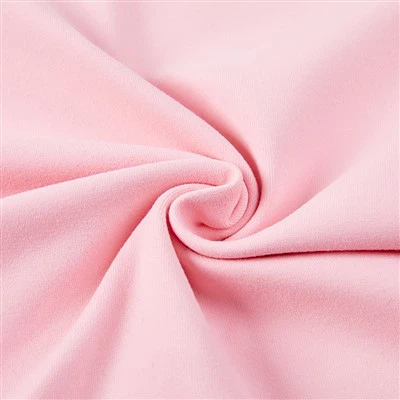
When it comes to the world of shirts, the fabric is the unsung hero that can make or break the entire experience. As a seasoned shirt fabric supplier, I've witnessed firsthand how different fabrics can vary not only in their appearance and feel but also in their cost. In this blog post, we'll delve into the factors that influence the cost of various shirt fabrics and explore some popular options available in the market.
Understanding the Factors Affecting Fabric Cost
Before we dive into specific fabric types, it's essential to understand the key factors that contribute to the cost of shirt fabrics. These factors can vary widely depending on the source, production process, and quality of the materials used.
Raw Material Quality
The quality of the raw materials used in fabric production is one of the most significant factors influencing cost. For example, high - grade cotton, such as Egyptian or Pima cotton, is known for its long fibers, which result in a softer, stronger, and more luxurious fabric. These premium cotton varieties are more expensive to grow and harvest compared to regular cotton, driving up the cost of the final fabric.
On the other hand, synthetic fibers like polyester are generally less expensive to produce. Polyester is made from petroleum - based products, and its production process is highly efficient, allowing for large - scale manufacturing at a lower cost.


Production Process
The complexity of the production process also plays a crucial role in determining fabric cost. Fabrics that require intricate weaving or knitting techniques, such as jacquard weaves or fine gauge knits, are more labor - intensive and time - consuming to produce. This increased production time and effort translate into higher costs for the finished fabric.
Dyeing and printing processes can also add to the cost. Specialized dyeing techniques, such as natural dyeing or reactive dyeing, which offer better colorfastness and environmental friendliness, are often more expensive than traditional dyeing methods. Similarly, high - quality printed fabrics, which may use advanced digital printing technologies, can be costlier than plain - dyed fabrics.
Fabric Finishes
Fabric finishes are treatments applied to the fabric to enhance its performance or appearance. For example, anti - wrinkle finishes, water - repellent coatings, and stain - resistant treatments can add value to the fabric but also increase its cost. These finishes often involve the use of specialized chemicals and additional processing steps, which contribute to the overall price.
Popular Shirt Fabric Types and Their Costs
Cotton
Cotton is one of the most popular shirt fabric choices due to its breathability, comfort, and versatility. The cost of cotton fabrics can vary significantly depending on the quality of the cotton and the production process.
- Regular Cotton: This is the most common type of cotton used in shirt production. It is relatively inexpensive and offers good comfort and durability. Regular cotton shirts are suitable for everyday wear and are widely available in the market. The cost of regular cotton fabric can range from $5 to $15 per yard, depending on the fabric weight and quality.
- Egyptian and Pima Cotton: As mentioned earlier, Egyptian and Pima cotton are premium cotton varieties known for their long fibers and superior quality. Shirts made from these cottons are softer, more absorbent, and have a smoother finish. The cost of Egyptian or Pima cotton fabric can range from $15 to $30 per yard or even higher, depending on the fabric construction and finish.
Polyester
Polyester is a synthetic fiber that is known for its durability, wrinkle - resistance, and affordability. Polyester fabrics are often used in combination with other fibers to enhance their performance.
- 100% Polyester: Pure polyester shirt fabrics are relatively inexpensive, with costs ranging from $3 to $10 per yard. These fabrics are lightweight, quick - drying, and resistant to shrinking and wrinkling, making them suitable for travel and active wear.
- Cotton - Polyester Blend: Cotton Polyester Blend Printed Shirt Fabric is a popular choice as it combines the best of both worlds. The cotton provides breathability and comfort, while the polyester adds durability and wrinkle - resistance. The cost of cotton - polyester blend fabrics can range from $6 to $18 per yard, depending on the blend ratio and the quality of the materials used.
Linen
Linen is a natural fiber made from the flax plant. It is highly breathable and has a unique texture that gives shirts a relaxed, casual look. However, linen is more expensive than cotton due to the labor - intensive production process.
The cost of linen fabric can range from $10 to $30 per yard. Linen shirts are often more suitable for summer wear as they are lightweight and absorbent, but they tend to wrinkle easily.
Silk
Silk is a luxurious and elegant fabric known for its softness, sheen, and drape. It is made from the cocoons of silkworms and is one of the most expensive shirt fabric options.
The cost of silk fabric can range from $20 to $100 per yard or more, depending on the type of silk (e.g., mulberry silk, tussah silk) and the fabric construction. Silk shirts are often associated with formal and high - end occasions due to their luxurious appearance.
Knit Fabrics
Knit fabrics are popular for their stretch and comfort. They are commonly used in T - shirts and casual shirts.
- Shirting Knit Fabric: These fabrics can be made from a variety of fibers, including cotton, polyester, and blends. The cost of shirting knit fabrics can range from $5 to $20 per yard, depending on the fiber content and the quality of the knit.
- Best T Shirt Material For Summer: Lightweight cotton knits or cotton - polyester blends are often considered the best materials for summer T - shirts. These fabrics are breathable, comfortable, and can be produced at a relatively low cost, with prices ranging from $4 to $12 per yard.
Making the Right Choice
When selecting a shirt fabric, it's important to consider your budget, the intended use of the shirt, and your personal preferences. If you're looking for an everyday shirt that is comfortable and affordable, a cotton - polyester blend or regular cotton fabric may be the best choice. For formal occasions or a more luxurious look, silk or high - quality cotton fabrics are ideal.
As a shirt fabric supplier, I understand that every customer has unique requirements. Whether you're a small - scale garment manufacturer or a large - scale retailer, I can provide you with a wide range of shirt fabrics at competitive prices. Our fabrics are sourced from trusted suppliers and undergo strict quality control measures to ensure the highest standards of quality.
If you're interested in learning more about our shirt fabric options or would like to discuss your specific needs, I encourage you to reach out to me. We can work together to find the perfect fabric for your next shirt collection.
References
- Textile Institute. (2023). Handbook of Textile Fibres. Woodhead Publishing.
- Horrocks, A. R., & Anand, S. C. (Eds.). (2016). Handbook of Technical Textiles. Woodhead Publishing.