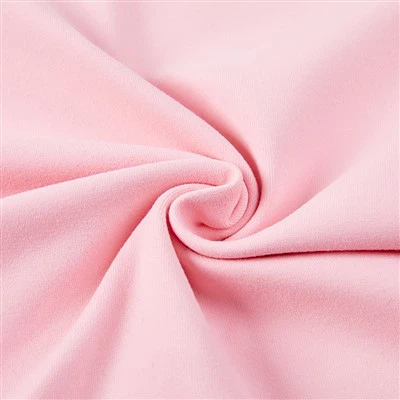
Polyester spandex fabric is a popular choice in the textile industry due to its unique combination of the durability of polyester and the stretchability of spandex. As a supplier of polyester spandex fabric, I understand the importance of ensuring that our products meet the highest standards of stretchability. In this blog, I will share some effective ways to make polyester spandex fabric more stretchy.
Understanding the Basics of Polyester Spandex Fabric
Before delving into the methods of enhancing stretchability, it's essential to understand the composition and properties of polyester spandex fabric. Polyester is a synthetic fiber known for its strength, wrinkle - resistance, and quick - drying properties. Spandex, on the other hand, is a highly elastic fiber that can stretch up to 500% of its original length and return to its original shape. The combination of these two fibers results in a fabric that is both strong and stretchy, suitable for a wide range of applications such as sportswear, swimwear, and underwear Polyester Spandex Fabric for Underwear.
Adjusting the Fiber Ratio
One of the most straightforward ways to increase the stretchability of polyester spandex fabric is to adjust the ratio of polyester to spandex. Generally, a higher percentage of spandex in the fabric will result in greater stretch. However, it's important to strike a balance because too much spandex can reduce the fabric's durability and increase its cost. A common ratio for highly stretchy polyester spandex fabric is around 80% polyester and 20% spandex, but this can be adjusted based on the specific requirements of the end - product. For example, for sportswear that requires maximum stretch, a ratio closer to 70% polyester and 30% spandex might be more appropriate.
Chemical Treatments
Chemical treatments can also be used to enhance the stretchability of polyester spandex fabric. One such treatment is the use of softeners. Softeners can reduce the friction between the fibers in the fabric, allowing them to move more freely and increasing the fabric's overall stretch. There are different types of softeners available, such as silicone - based and fatty acid - based softeners. Silicone - based softeners are often preferred because they can provide a smooth and slippery feel to the fabric, which is beneficial for stretchability.
Another chemical treatment is the use of elasticizing agents. These agents can modify the structure of the spandex fibers, making them more elastic. However, it's crucial to ensure that the chemical treatments are carried out in a controlled environment to avoid damaging the fabric or causing any negative effects on its other properties, such as colorfastness and strength.
Mechanical Processes
Mechanical processes can play a significant role in improving the stretchability of polyester spandex fabric. One such process is pre - stretching. Pre - stretching involves stretching the fabric to a certain degree before it is used in the manufacturing of the final product. This can help to align the fibers in the fabric and increase its overall stretchability. The pre - stretching process should be carefully controlled to avoid over - stretching the fabric, which can lead to permanent deformation.
Another mechanical process is the use of heat setting. Heat setting can stabilize the structure of the fabric and improve its stretch recovery. By heating the fabric to a specific temperature and then cooling it rapidly, the spandex fibers can be set in a stretched state, resulting in better stretch and recovery properties. However, the heat setting temperature and time need to be carefully adjusted according to the composition of the fabric to prevent damage.
Weaving and Knitting Techniques
The way the fabric is woven or knitted can also affect its stretchability. For knitted fabrics, different stitch patterns can be used to increase stretch. For example, circular knitting can produce a fabric with more stretch in both the horizontal and vertical directions compared to flat knitting. In addition, using a finer gauge of knitting can also result in a more stretchy fabric because the smaller loops allow for more movement of the fibers.
For woven fabrics, a twill or satin weave can sometimes provide more stretch compared to a plain weave. The diagonal or floating yarns in these weaves allow the fabric to stretch more easily. Additionally, using a looser weave can increase the stretchability, but this may also reduce the fabric's strength and durability, so a balance needs to be found.
Post - Treatment and Finishing
After the fabric is manufactured, post - treatment and finishing processes can further enhance its stretchability. One such process is washing and drying. A gentle wash and dry cycle can help to relax the fibers in the fabric and increase its stretch. Using a low - temperature dryer or air - drying can prevent damage to the spandex fibers.
Another post - treatment is the application of a stretch - enhancing finish. This finish can be a special coating that is applied to the surface of the fabric to improve its stretch and flexibility. These finishes can also provide additional benefits such as water - repellency or anti - microbial properties.
Importance of Quality Control
Throughout the process of making polyester spandex fabric more stretchy, quality control is of utmost importance. Regular testing of the fabric's stretch properties, such as stretch ratio, stretch recovery, and breaking strength, should be carried out. This can ensure that the fabric meets the required standards and specifications. Quality control also helps to identify any issues early in the production process, allowing for timely adjustments and improvements.
Conclusion
Making polyester spandex fabric more stretchy requires a combination of different methods, including adjusting the fiber ratio, using chemical treatments, applying mechanical processes, choosing appropriate weaving or knitting techniques, and carrying out post - treatment and finishing. As a polyester spandex fabric supplier, we are committed to using these methods to produce high - quality, stretchy fabrics that meet the diverse needs of our customers.
If you are interested in our Thicken Polyester Spandex Fabric or 100% Polyester Quick - drying Mesh Fabric, or have any specific requirements for stretchy polyester spandex fabric, please feel free to contact us for further discussion and potential procurement. We are always ready to provide you with the best solutions and products.


References
- Textile Chemistry and Technology, Volume 1: Fibers, Yarns, and Fabrics by Lewis M. Batdorf
- Handbook of Textile Fibre Structure, Volume 2: Man - Made Fibres by David J. Walsh
- The Technology of Woven Fabrics: An Introduction by Peter Lord and Mohamed Mohamed