As a supplier of Athletic Jersey Fabric, I've witnessed firsthand the diverse needs and preferences of athletes and sports teams when it comes to choosing the right fabric for their jerseys. One of the most common questions I encounter is about the differences between single - layer and multi - layer athletic jersey fabrics. In this blog, I'll delve into the unique characteristics, advantages, and disadvantages of each type to help you make an informed decision.
Single - Layer Athletic Jersey Fabrics
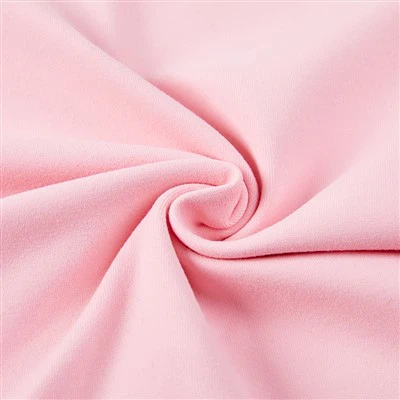
Single - layer athletic jersey fabrics are known for their simplicity and lightweight nature. These fabrics are typically made from a single sheet of material, which gives them a sleek and streamlined appearance.
Characteristics
- Lightweight: Single - layer fabrics are generally lighter than their multi - layer counterparts. This makes them an excellent choice for sports that require a high level of mobility, such as track and field, cycling, and basketball. The reduced weight allows athletes to move freely without feeling weighed down.
- Breathability: Most single - layer athletic jersey fabrics are highly breathable. They are designed to allow air to circulate through the fabric, which helps to keep the athlete cool and dry during intense physical activity. This is especially important in hot and humid conditions.
- Flexibility: These fabrics offer a high degree of flexibility, which means they can stretch and move with the athlete's body. This is crucial for sports that involve a lot of stretching and bending, such as yoga and gymnastics.
Advantages
- Cost - Effective: Single - layer fabrics are usually less expensive to produce than multi - layer fabrics. This makes them a more budget - friendly option for teams and individuals who are looking to save money on their athletic apparel.
- Quick Drying: Due to their thin and breathable nature, single - layer fabrics dry quickly. This is beneficial for athletes who may sweat a lot during a game or practice, as it helps to prevent discomfort and chafing.
- Easy to Print On: Single - layer fabrics provide a smooth surface for printing team logos, player names, and numbers. This makes it easier to customize the jerseys according to the team's requirements.
Disadvantages
- Less Insulation: Single - layer fabrics offer less insulation than multi - layer fabrics. This means they may not be suitable for cold weather sports, as they may not keep the athlete warm enough.
- Less Durability: These fabrics are generally less durable than multi - layer fabrics. They may be more prone to tearing and wearing out over time, especially if they are subjected to a lot of rough handling.
Multi - Layer Athletic Jersey Fabrics
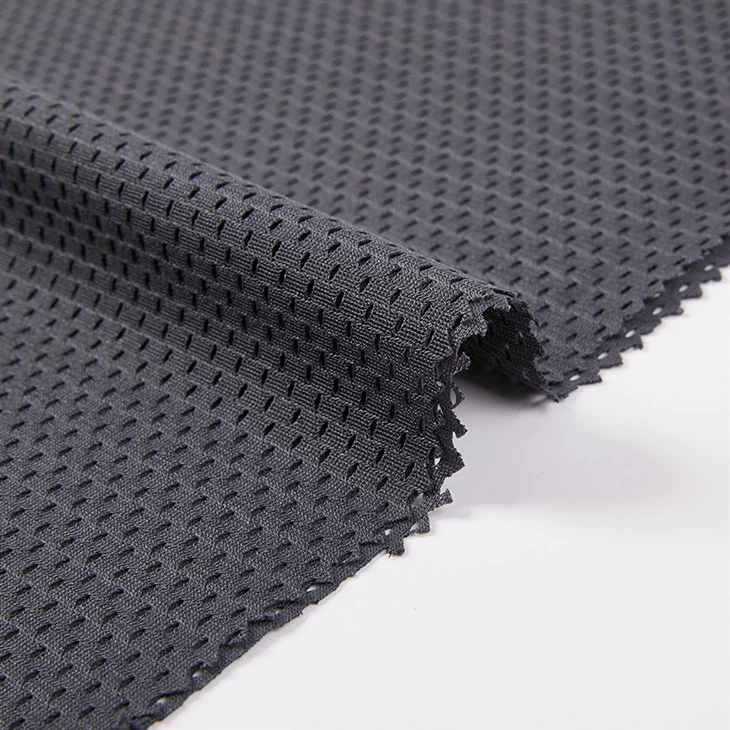
Multi - layer athletic jersey fabrics are composed of two or more layers of material that are bonded or laminated together. These fabrics are designed to provide enhanced performance and functionality.

Characteristics
- Insulation: Multi - layer fabrics offer better insulation than single - layer fabrics. The additional layers help to trap heat close to the body, which makes them ideal for cold weather sports such as skiing, snowboarding, and ice hockey.
- Moisture Management: These fabrics are often designed with advanced moisture - wicking properties. The inner layer of the fabric is typically made from a material that draws sweat away from the body, while the outer layer is designed to repel water and keep the athlete dry. You can learn more about Moisture Wicking Sportswear Fabric.
- Durability: Multi - layer fabrics are generally more durable than single - layer fabrics. The multiple layers provide additional strength and protection, which makes them less likely to tear or wear out.
Advantages
- Enhanced Performance: Multi - layer fabrics are designed to provide enhanced performance in a variety of sports. They can help to regulate body temperature, manage moisture, and provide support and protection to the athlete.
- Versatility: These fabrics can be used in a wide range of sports and weather conditions. They can be customized to meet the specific needs of different sports, such as adding extra padding for contact sports or using a wind - resistant outer layer for outdoor sports.
- Longer Lifespan: Due to their durability, multi - layer fabrics have a longer lifespan than single - layer fabrics. This means that teams and individuals can get more use out of their athletic apparel, which can save money in the long run.
Disadvantages
- Higher Cost: Multi - layer fabrics are usually more expensive to produce than single - layer fabrics. This makes them a more costly option for teams and individuals who are on a tight budget.
- Heavier Weight: The additional layers in multi - layer fabrics make them heavier than single - layer fabrics. This may be a drawback for sports that require a high level of speed and agility, as the extra weight can slow the athlete down.
- More Difficult to Print On: The multiple layers in multi - layer fabrics can make it more difficult to print on them. Special printing techniques may be required to ensure that the logos, names, and numbers are clear and long - lasting.
Choosing the Right Fabric for Your Needs
When choosing between single - layer and multi - layer athletic jersey fabrics, it's important to consider the specific needs of your sport, the weather conditions, and your budget.
- Sports Requirements: If you're involved in a sport that requires a high level of mobility and breathability, such as basketball or running, a single - layer fabric may be the best choice. On the other hand, if you're participating in a cold weather sport or a contact sport that requires more protection, a multi - layer fabric may be more suitable. You can explore Fabric for Basketball Jersey for more options.
- Weather Conditions: In hot and humid conditions, a single - layer fabric will help to keep you cool and dry. In cold weather, a multi - layer fabric will provide the necessary insulation to keep you warm.
- Budget: If you're on a tight budget, a single - layer fabric may be the more cost - effective option. However, if you're willing to invest in high - quality, long - lasting athletic apparel, a multi - layer fabric may be worth the extra cost.
Conclusion
As a supplier of Athletic Jersey Fabric, I understand that choosing the right fabric for your athletic jerseys is crucial. Both single - layer and multi - layer fabrics have their own unique characteristics, advantages, and disadvantages. By considering the specific needs of your sport, the weather conditions, and your budget, you can make an informed decision that will ensure you get the best performance and value from your athletic apparel.
If you're interested in learning more about our athletic jersey fabrics or would like to discuss your specific requirements, please don't hesitate to contact us. We're here to help you find the perfect fabric for your needs and provide you with high - quality, customized athletic apparel.
References
- Textile Institute. (2023). Handbook of Technical Textiles. Woodhead Publishing.
- ASTM International. (2023). Standards for Athletic Apparel Fabrics. ASTM Publications.