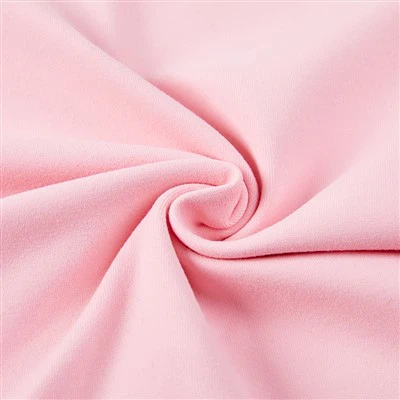
As a supplier of Tights Fabric, I've witnessed firsthand the frustration that comes with tights losing their color when exposed to the sun. Over the years, I've gathered valuable insights and knowledge on how to prevent this issue, and I'm excited to share them with you.
Understanding the Problem
Sunlight, specifically ultraviolet (UV) rays, is the primary culprit behind color fading in tights fabric. UV rays break down the chemical bonds in the dyes used to color the fabric. This degradation causes the color to lose its vibrancy and eventually fade. The intensity and duration of sun exposure, as well as the quality of the dye and fabric, all play a role in how quickly the color fades.
Choosing the Right Fabric and Dye
The first step in preventing color loss is to start with high - quality fabric and dyes. At our company, we offer a range of top - notch Tights Fabric that is treated to resist UV damage. We use advanced dyeing techniques that ensure the color is deeply embedded in the fabric fibers.
- Fabric Selection: Opt for fabrics that have natural UV - resistant properties. For example, some synthetic fibers like polyester can provide better protection against UV rays compared to natural fibers. Polyester has a molecular structure that makes it more resistant to the degradation caused by UV light.
- Dye Quality: High - quality dyes are formulated to withstand UV exposure. They are often made with special additives that act as UV absorbers, which help to block the harmful rays from reaching the fabric and breaking down the color. When choosing tights, look for products that mention UV - resistant dyes.
Proper Storage
How you store your tights can significantly impact their color retention. Here are some storage tips:


- Avoid Sunlight: Store your tights in a cool, dark place. A closet or a drawer away from windows is ideal. Sunlight can slowly fade the color even when the tights are not in use. If you have a clear storage container, make sure it is placed in a shaded area.
- Separate from Other Items: Keep your tights separate from items that may transfer color or cause abrasion. For example, avoid storing them with rough - textured clothing or items with bright colors that could bleed onto the tights.
Washing and Drying Techniques
The way you wash and dry your tights can also affect their color.
- Use Mild Detergents: Harsh detergents can strip the color from the fabric. Choose a mild, color - safe detergent that is specifically formulated for delicate fabrics. These detergents are less likely to damage the dye and will help preserve the color of your tights.
- Wash in Cold Water: Hot water can cause the fabric to expand and the dye to bleed. Always wash your tights in cold water to minimize color loss. Cold water also helps to maintain the integrity of the fabric fibers.
- Gentle Cycle: Use the gentle cycle on your washing machine to prevent excessive agitation, which can cause the color to fade. If possible, hand - wash your tights for even more gentle treatment.
- Air Drying: Avoid using a dryer, as the high heat can damage the fabric and cause color fading. Instead, lay your tights flat to dry in a shaded area. This allows the tights to dry naturally without exposing them to the harsh conditions of a dryer.
Protective Treatments
There are various protective treatments available that can help prevent color loss in tights fabric.
- UV - Protectant Sprays: These sprays can be applied to the tights to create a protective barrier against UV rays. They work by reflecting or absorbing the UV light before it can reach the fabric. Make sure to follow the instructions on the spray bottle for the best results.
- Fabric Softeners with UV Protection: Some fabric softeners are formulated with UV - protecting agents. Using these softeners during the washing process can add an extra layer of protection to your tights.
Wear and Care Tips
When wearing your tights, there are some additional steps you can take to prevent color loss.
- Limit Sun Exposure: If you know you'll be spending a lot of time in the sun, consider wearing protective clothing over your tights. For example, you can wear a long skirt or pants to cover the tights and reduce their exposure to UV rays.
- Regular Inspection: Check your tights regularly for signs of color fading or damage. If you notice any issues early on, you can take steps to prevent further damage.
Industry Trends and Innovations
The textile industry is constantly evolving, and there are new technologies and materials being developed to improve the UV resistance of fabrics. For example, some companies are researching the use of nanotechnology to create more effective UV - blocking agents. These agents can be incorporated into the fabric during the manufacturing process to provide long - lasting protection against color fading.
Another trend is the development of sustainable UV - resistant dyes. These dyes are made from natural or recycled materials and are more environmentally friendly. As a supplier, we are always on the lookout for these new technologies and are committed to offering our customers the best - quality tights fabric with the latest advancements in UV protection.
Conclusion
Preventing tights fabric from losing its color in the sun requires a combination of proper selection, storage, washing, and care. By following the tips outlined in this blog, you can ensure that your tights stay vibrant and colorful for longer.
If you're in the market for high - quality Tights Fabric, Comfortable Yoga Pants Fabric, or Gym Leggings Fabric, we'd love to have a conversation with you. Whether you're a retailer looking to stock up on the latest fashion items or a manufacturer in need of reliable fabric supplies, we're here to meet your needs. Feel free to reach out to us to discuss your requirements and explore how our products can benefit your business.
References
- "Textile Chemistry and Coloration" by W. F. Feist
- "UV Protection in Textiles" by A. K. Majumdar
- Industry reports on textile innovation and UV - resistant fabrics.