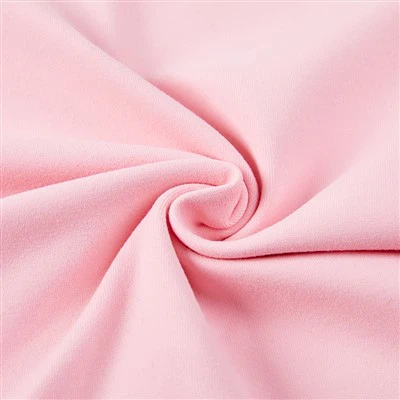
As a supplier of Bike Jersey Fabric, I often get asked whether bike jersey fabric is more breathable than cotton. This is a crucial question for cyclists, as proper breathability can significantly enhance the comfort and performance during rides. In this blog, I'll delve into the science behind breathability, compare bike jersey fabric and cotton, and explain why bike jersey fabric is often the superior choice for cycling.
Understanding Breathability
Breathability in fabric refers to its ability to allow air and moisture to pass through. When we exercise, our bodies produce sweat to cool down. If the fabric we're wearing can't efficiently wick away this sweat and allow air circulation, we'll feel hot, sticky, and uncomfortable. This can not only affect our performance but also lead to skin issues such as rashes and chafing.
There are two main factors that contribute to a fabric's breathability: its moisture-wicking properties and its porosity. Moisture-wicking is the ability of a fabric to draw sweat away from the skin and spread it across a larger surface area, where it can evaporate more quickly. Porosity, on the other hand, refers to the number and size of the tiny holes or spaces in the fabric that allow air to flow through.
The Science of Bike Jersey Fabric
Bike jersey fabric is specifically engineered for cycling and other high-intensity sports. It is typically made from synthetic materials such as polyester, nylon, or a blend of these fibers. These materials have several properties that make them highly breathable.
One of the key features of bike jersey fabric is its moisture-wicking ability. Synthetic fibers are hydrophobic, which means they repel water. When sweat comes into contact with the fabric, it is quickly drawn away from the skin and onto the outer surface of the jersey. This process is known as capillary action. Once the sweat is on the outer surface, it has a larger area to evaporate, which cools the body more effectively.
In addition to moisture-wicking, bike jersey fabric also has high porosity. The fibers are woven or knitted in a way that creates small channels and spaces between them, allowing air to circulate freely. This helps to remove heat and humidity from the body, keeping the cyclist cool and dry.
Another advantage of bike jersey fabric is its stretchability. It can move with the body as the cyclist pedals, bends, and turns, without restricting movement. This not only enhances comfort but also allows for better airflow around the body.
The Limitations of Cotton
Cotton is a natural fiber that is widely used in clothing due to its softness, comfort, and affordability. However, it has some significant drawbacks when it comes to breathability, especially for cycling.
Cotton is hydrophilic, which means it absorbs water. When we sweat, cotton absorbs the moisture and holds it close to the skin. This can make the fabric heavy and uncomfortable, and it also slows down the evaporation process. As a result, the cyclist may feel hot and sticky, and the risk of skin irritation increases.
In addition, cotton has relatively low porosity compared to bike jersey fabric. The fibers are tightly packed together, which restricts air circulation. This can lead to a build-up of heat and humidity inside the clothing, making the cyclist feel even more uncomfortable.
Another issue with cotton is its lack of stretchability. It doesn't move with the body as well as bike jersey fabric, which can restrict movement and reduce airflow.
Real-World Performance
To understand the difference in breathability between bike jersey fabric and cotton, let's consider a real-world scenario. Imagine two cyclists, one wearing a cotton jersey and the other wearing a jersey made from bike jersey fabric. They both go for a long, strenuous ride on a hot, humid day.
The cyclist wearing the cotton jersey will start to feel sweaty and uncomfortable soon after the ride begins. The cotton will absorb the sweat and hold it close to the skin, making the jersey heavy and sticky. As the ride continues, the cyclist may experience skin irritation and chafing, and their performance may be affected.
On the other hand, the cyclist wearing the bike jersey fabric will stay cool and dry throughout the ride. The moisture-wicking properties of the fabric will draw the sweat away from the skin, and the high porosity will allow air to circulate freely. The cyclist will feel more comfortable, and their performance will be less likely to be affected by heat and humidity.
The Benefits of Choosing Bike Jersey Fabric
There are several benefits to choosing bike jersey fabric over cotton for cycling.
- Enhanced Comfort: Bike jersey fabric keeps the cyclist cool, dry, and comfortable, even during long, strenuous rides. It reduces the risk of skin irritation and chafing, and it allows for better airflow around the body.
- Improved Performance: By keeping the body cool and dry, bike jersey fabric can help to improve performance. The cyclist will be able to ride longer and harder without feeling fatigued, and they will be less likely to experience heat-related issues.
- Durability: Bike jersey fabric is more durable than cotton. It can withstand the rigors of cycling, including frequent washing and exposure to the elements. This means that the jersey will last longer and provide better value for money.
- Style and Functionality: Bike jersey fabric is available in a wide range of styles and colors, allowing cyclists to express their personal style. It also often features additional features such as pockets, reflective elements, and aerodynamic designs, which enhance functionality.
Our Bike Jersey Fabric Offerings
As a supplier of Bike Jersey Fabric, we offer a wide range of high-quality fabrics that are specifically designed for cycling. Our fabrics are made from the latest synthetic materials and are engineered to provide maximum breathability, moisture-wicking, and comfort.
We offer a variety of fabric weights and styles to suit different cycling conditions and preferences. Whether you're a road cyclist, a mountain biker, or a casual rider, we have a fabric that will meet your needs.
In addition to our standard fabric offerings, we also offer custom printing and design services. This allows cyclists and cycling teams to create their own unique jerseys with their logo, colors, and design.


Conclusion
In conclusion, bike jersey fabric is significantly more breathable than cotton. Its moisture-wicking ability, high porosity, stretchability, and other features make it the ideal choice for cycling and other high-intensity sports. While cotton may be comfortable and affordable, it has limitations when it comes to breathability, especially for long rides and hot weather.
If you're a cyclist looking for a comfortable, high-performance jersey, I highly recommend choosing one made from bike jersey fabric. At our company, we are committed to providing the best Cycling Clothing Material and Best Fabric for Cycling Jersey on the market. If you have any questions or would like to discuss your fabric needs, please don't hesitate to contact us. We look forward to working with you to create the perfect cycling jersey.
References
- Textile Institute. (2019). Handbook of Technical Textiles. Woodhead Publishing.
- Montain, S. J., & Coyle, E. F. (1992). Influence of sweating rate and clothing on heat exchange during exercise. Journal of Applied Physiology, 72(5), 1786-1791.
- Nielsen, B. K., & Helge, J. W. (2008). Physiological responses to exercise in the heat. Sports Medicine, 38(8), 649-662.