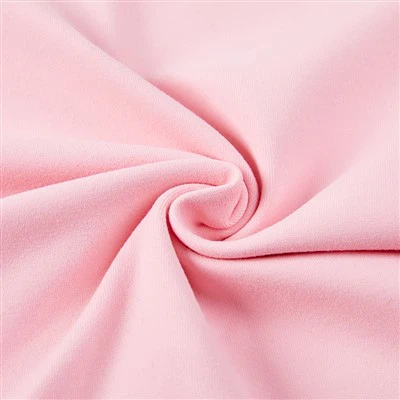
Ribbed swimwear fabric has gained significant popularity in the swimwear industry due to its unique texture and numerous benefits. As a leading supplier of ribbed swimwear fabric, I am excited to delve into the details of its texture, exploring what makes it a preferred choice for designers and consumers alike.
Physical Characteristics of Ribbed Swimwear Fabric
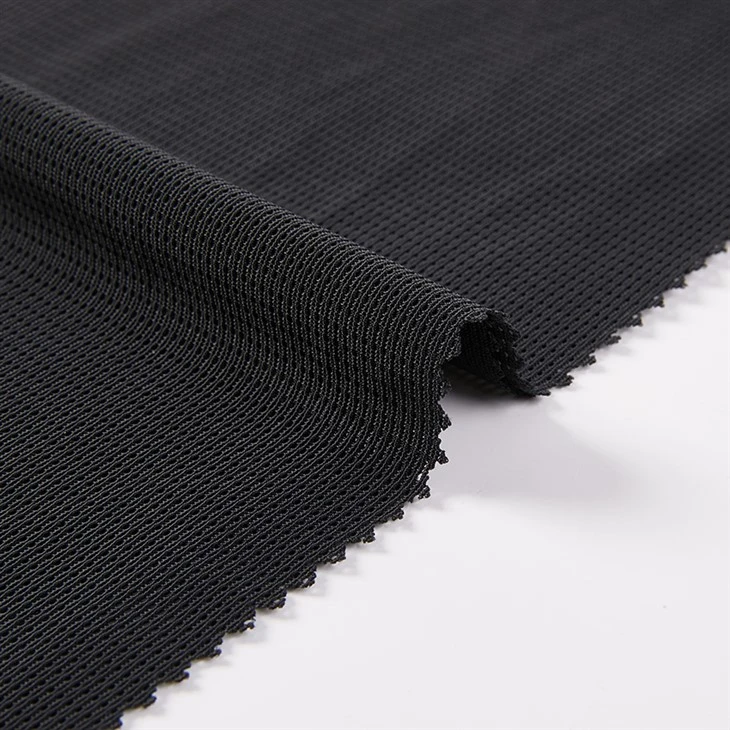
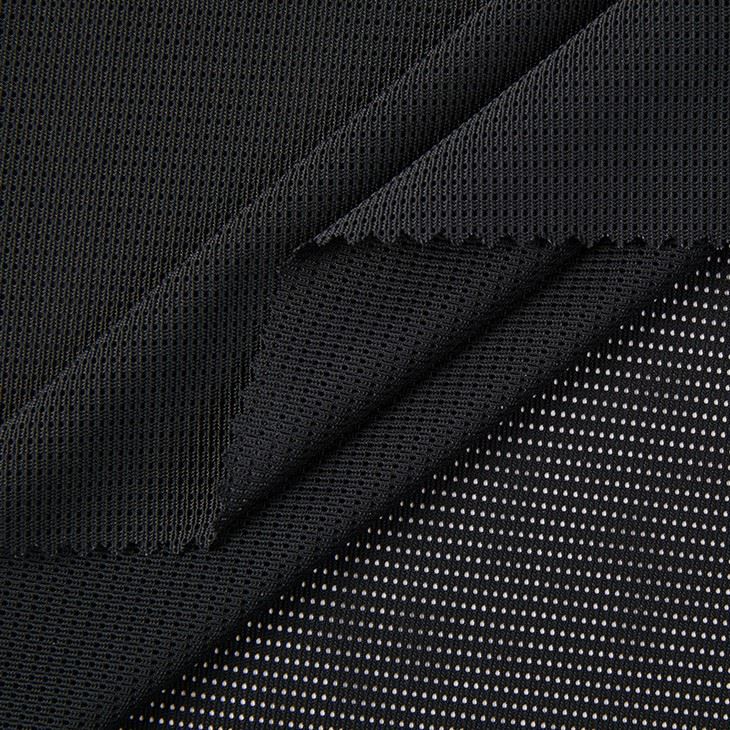
The most distinctive feature of ribbed swimwear fabric is its raised, parallel lines or ridges that run across the surface. These ribs are created during the manufacturing process, typically through a specific knitting or weaving technique. The ribs can vary in width, height, and spacing, resulting in different visual and tactile effects.
In terms of thickness, ribbed swimwear fabric is generally thicker than smooth swimwear fabrics. This added thickness provides several advantages, including better coverage and support. It also gives the fabric a more substantial feel, which can be particularly appealing for those who prefer a more structured swimsuit.
The texture of ribbed swimwear fabric is both soft and stretchy. The softness makes it comfortable to wear against the skin, while the stretch allows for a full range of motion. This combination of comfort and flexibility is essential for swimwear, as it ensures that the garment can move with the body without restricting movement.
Benefits of the Ribbed Texture
One of the primary benefits of the ribbed texture is its ability to enhance the fit of swimwear. The ribs create a natural contour that follows the curves of the body, providing a more flattering and supportive fit. This is especially beneficial for those with curves or who are looking for a swimsuit that offers more coverage and shaping.
The ribbed texture also adds a unique visual element to swimwear. The raised lines create a sense of depth and dimension, making the fabric more interesting and eye-catching. This can help swimsuits stand out on the beach or by the pool, making them a popular choice for fashion-forward consumers.
In addition to its aesthetic appeal, the ribbed texture can also provide practical benefits. The ribs can help to reduce drag in the water, making it easier for swimmers to move through the water more efficiently. This can be particularly beneficial for competitive swimmers or those who enjoy swimming for exercise.
Manufacturing Process and Texture Variations
The manufacturing process of ribbed swimwear fabric plays a crucial role in determining its texture. There are several different techniques that can be used to create the ribbed effect, each resulting in a slightly different texture.
One common method is rib knitting, which involves using a special knitting machine to create the ribs. Rib knitting can produce a variety of rib patterns, including single rib, double rib, and mock rib. Each pattern has its own unique texture and appearance, allowing designers to choose the one that best suits their needs.
Another method is weaving, which involves interlacing two sets of yarns at right angles to create a fabric. Weaving can also be used to create ribbed patterns, although the resulting texture is typically more rigid and less stretchy than rib knitting.
The type of yarn used in the manufacturing process can also affect the texture of the ribbed swimwear fabric. Different yarns have different properties, such as thickness, softness, and stretch. For example, a fabric made from a blend of nylon and spandex will have a different texture than a fabric made from 100% polyester.
Applications of Ribbed Swimwear Fabric
Ribbed swimwear fabric is used in a wide variety of swimwear applications, including one-piece swimsuits, bikinis, tankinis, and rash guards. Its unique texture and benefits make it a versatile choice for both fashion and performance swimwear.
In fashion swimwear, ribbed fabric is often used to create statement pieces that stand out on the beach or by the pool. The ribbed texture can add a touch of elegance and sophistication to a swimsuit, making it suitable for both casual and formal occasions.
In performance swimwear, ribbed fabric is valued for its ability to provide support and reduce drag in the water. Competitive swimmers often choose ribbed swimsuits for their races, as they can help to improve their performance.
Comparison with Other Swimwear Fabrics
When compared to other swimwear fabrics, such as smooth nylon or polyester, ribbed swimwear fabric offers several distinct advantages. As mentioned earlier, the ribbed texture provides a better fit and more support, making it a popular choice for those with curves or who are looking for a swimsuit that offers more coverage and shaping.
In terms of durability, ribbed swimwear fabric is generally more resistant to wear and tear than smooth fabrics. The ribs help to distribute stress evenly across the fabric, reducing the risk of stretching or tearing. This makes ribbed swimwear a more long-lasting investment.
However, ribbed swimwear fabric also has some drawbacks. It is typically more expensive than smooth fabrics, due to the additional manufacturing process required to create the ribbed effect. It can also be more difficult to care for, as the ribs can trap dirt and debris more easily.
Maintenance and Care of Ribbed Swimwear Fabric
To ensure the longevity of ribbed swimwear fabric, it is important to follow proper maintenance and care instructions. After each use, the swimsuit should be rinsed thoroughly in cold water to remove any chlorine, salt, or sand. It should then be laid flat to dry, away from direct sunlight.
Avoid using harsh detergents or bleach when washing ribbed swimwear, as these can damage the fabric and cause the ribs to lose their shape. Instead, use a mild detergent specifically designed for swimwear.
When storing ribbed swimwear, it is best to hang it up or fold it neatly to prevent wrinkles and creases. Avoid storing the swimsuit in a tight space or under heavy objects, as this can also cause the ribs to lose their shape.
Conclusion
In conclusion, the texture of ribbed swimwear fabric is a unique and valuable characteristic that offers numerous benefits for both designers and consumers. Its raised, parallel lines create a flattering fit, enhance the visual appeal, and provide practical advantages in the water. As a supplier of ribbed swimwear fabric, I am committed to providing high-quality products that meet the needs of our customers.
If you are interested in learning more about our ribbed swimwear fabric or would like to discuss a potential purchase, please feel free to contact us. We would be happy to provide you with more information and answer any questions you may have.
References
- "Swimwear Fabric Guide." Swimsuit Lining Fabric
- "Chlorine Resistant Fabrics for Swimwear." Chlorine Resistant Swimwear Fabric
- "Sustainable Materials in Swimwear." Sustainable Swimwear Fabric