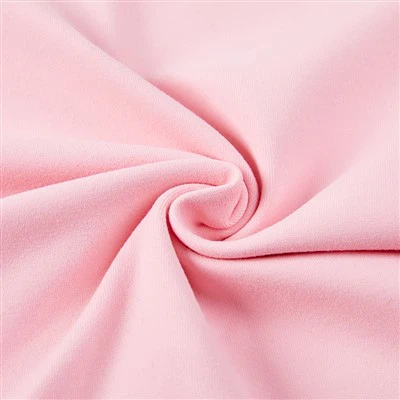
When it comes to shirt fabrics, two names that often surface in discussions are broadcloth and cambric. As a seasoned shirt fabric supplier, I've seen firsthand the unique characteristics and applications of these two materials. In this blog, I'll delve into the differences between broadcloth and cambric shirt fabrics, helping you make an informed decision for your shirt - making needs.
Origin and History
Broadcloth has a long - standing history. It dates back to medieval England, where it was initially a heavy, woolen fabric. Over time, the term broadcloth has evolved, and today, it commonly refers to a tightly woven, smooth cotton or cotton - blend fabric. Its production was a significant part of the textile industry's growth, and it was often used for high - end clothing due to its durability and refined appearance.
On the other hand, cambric has its roots in the 16th - century French town of Cambrai. Originally, it was a fine, white linen fabric. As the textile industry advanced, cambric started to be made from cotton as well. It was highly prized for its delicate texture and was often used in religious garments, children's wear, and fine shirts.
Weave Structure
The weave structure is one of the most fundamental differences between broadcloth and cambric.
Broadcloth typically has a plain weave. In a plain weave, the warp (lengthwise) and weft (crosswise) yarns alternate over and under each other in a simple pattern. This creates a balanced and stable fabric. The tightness of the weave in broadcloth gives it a smooth surface, making it resistant to wrinkling and abrasion. The plain weave also allows for a relatively dense fabric construction, which contributes to its durability.
Cambric, in contrast, has a finer and more delicate plain - weave structure. The yarns used in cambric are usually finer, and the weave is looser compared to broadcloth. This results in a fabric that is lighter and more breathable. However, the looser weave also means that cambric may be more prone to snagging and tearing than broadcloth.
Fabric Weight and Thickness
Broadcloth is generally heavier and thicker than cambric. The tight weave and the use of relatively thicker yarns contribute to its weight. This makes broadcloth suitable for shirts that require more structure and durability. For example, dress shirts made from broadcloth can hold their shape well, even after multiple washes and wears. They are also a good choice for colder climates or for formal occasions where a more substantial fabric is desired.
Cambric is a lightweight fabric. Its thinness and lightness make it ideal for summer shirts or for shirts that need to be breathable. It drapes beautifully and gives a soft, flowing look to the shirt. However, because of its light weight, it may not be as suitable for shirts that need to maintain a very structured appearance.
Appearance and Texture
Broadcloth has a smooth and lustrous appearance. The tight weave gives it a uniform surface, and it often has a slight sheen. This makes it look elegant and sophisticated, which is why it is commonly used in formal and business - wear shirts. The texture of broadcloth is firm and smooth to the touch, providing a sense of quality and durability.
Cambric has a softer and more delicate appearance. It has a matte finish, which gives it a more understated and natural look. The texture of cambric is silky and smooth, but it has a more airy and lightweight feel compared to broadcloth. It is often used in shirts for a more casual or relaxed look.
Breathability and Comfort
When it comes to breathability, cambric takes the lead. The looser weave and lighter weight of cambric allow air to circulate more freely through the fabric. This makes it extremely comfortable to wear in hot and humid weather. Shirts made from cambric are less likely to make you feel sweaty and sticky, as they can wick away moisture more effectively.
Broadcloth, while still breathable to some extent, is not as airy as cambric. The tight weave restricts air circulation to a certain degree. However, modern broadcloth fabrics, especially those with cotton blends, can be engineered to have better moisture - wicking properties. In general, broadcloth is more suitable for cooler weather or for environments where air conditioning is available.
Durability
Broadcloth is known for its durability. The tight plain weave and the use of stronger yarns make it resistant to wear and tear. It can withstand frequent washing and ironing without losing its shape or integrity. This makes broadcloth a cost - effective choice in the long run, as shirts made from it can last for a long time.
Cambric, due to its finer yarns and looser weave, is less durable than broadcloth. It is more prone to snagging on rough surfaces and may develop holes more easily. However, with proper care, such as gentle washing and avoiding sharp objects, cambric shirts can still have a reasonable lifespan.
Color and Dyeing
Both broadcloth and cambric can be dyed in a wide range of colors. However, the dyeing process and the resulting colorfastness can vary.
Broadcloth, with its tight weave, can hold dyes well. The dense fabric structure allows the dye to penetrate evenly, resulting in vibrant and long - lasting colors. It is also less likely to fade during washing.
Cambric, being a lighter and more porous fabric, may absorb dyes more quickly. However, it may also be more prone to color bleeding and fading, especially if not dyed properly. Special care needs to be taken during the dyeing process to ensure good colorfastness.
Applications
Broadcloth is widely used in formal and business - wear shirts. Its durability, smooth appearance, and ability to hold a crease make it a favorite for dress shirts. It is also used in uniforms, as it can maintain a professional look over time.
Cambric is often used in casual shirts, summer shirts, and children's clothing. Its lightness and breathability make it comfortable for everyday wear, especially in warm weather. It is also a popular choice for nightshirts and lingerie due to its soft texture.
Availability and Cost
Broadcloth is more widely available in the market. It is produced in large quantities by many textile manufacturers, which makes it relatively affordable. The cost of broadcloth can vary depending on the quality of the cotton or blend used, but in general, it is a cost - effective option for shirt production.
Cambric, being a more specialized and delicate fabric, may be less readily available. It often requires more careful production processes, which can increase its cost. However, the price can also vary depending on factors such as the origin of the fabric and the brand.
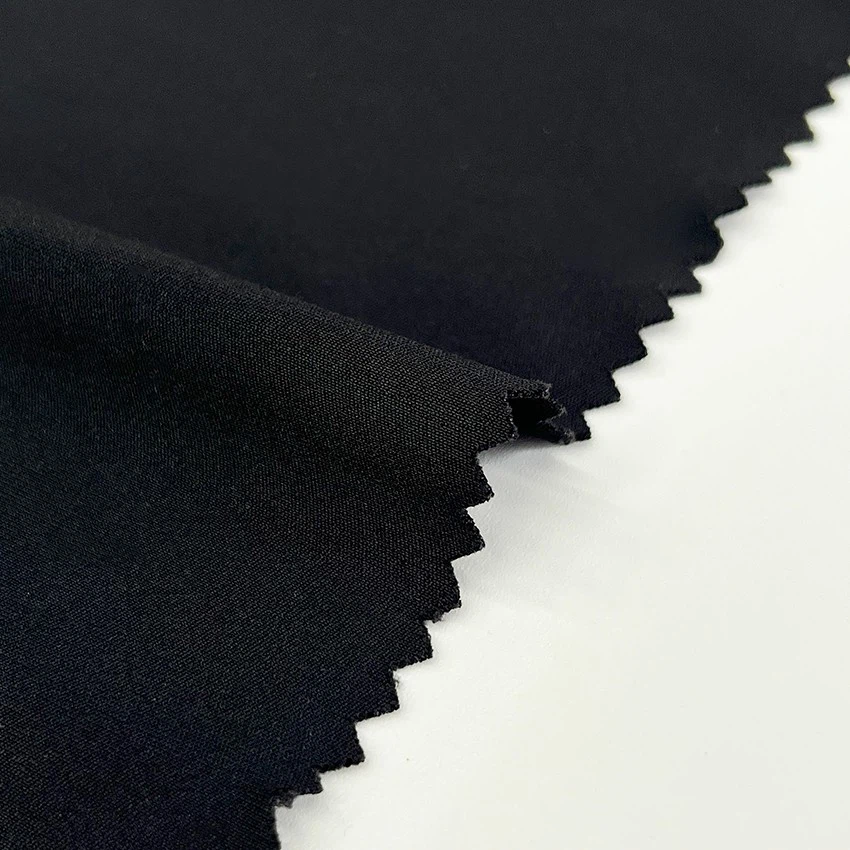

Conclusion
In conclusion, broadcloth and cambric are two distinct shirt fabrics with their own unique characteristics. If you are looking for a durable, structured, and formal - looking fabric, broadcloth is the way to go. On the other hand, if you need a lightweight, breathable, and soft fabric for casual or summer wear, cambric is a great choice.
As a shirt fabric supplier, I offer a wide range of both broadcloth and cambric fabrics to meet your specific needs. Whether you are a small - scale shirt maker or a large - scale clothing brand, I can provide you with high - quality fabrics at competitive prices.
If you are interested in learning more about our Shirting Knit Fabric, Warp - Knit Polyester Shirt Fabric, or Best T Shirt Material For Summer, feel free to reach out to me. We can discuss your requirements in detail and start a fruitful partnership for your shirt - making business.
References
- "Textile Science" by Joseph H. Priestley
- "The History of Fabrics" by Mary E. Campbell
- Industry reports from leading textile research organizations