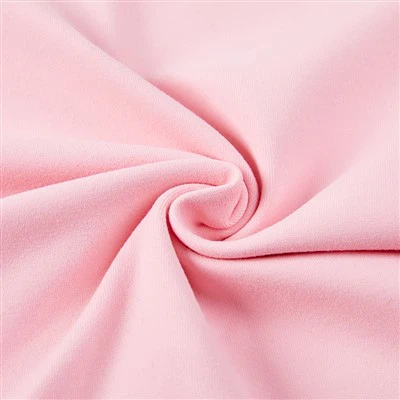
Yoga has become a global phenomenon, and with its rise, the demand for high - quality yoga wear has skyrocketed. As a leading yoga fabric supplier, I often get asked about the origin of yoga fabric. In this blog, I'll take you on a journey through time and technology to explore where these specialized fabrics come from.
Early Beginnings: Natural Fibers
The roots of yoga trace back thousands of years to ancient India. In the early days, yogis practiced in simple, natural - fiber clothing. Cotton was one of the most common materials. It's soft, breathable, and absorbent, making it suitable for a practice that involves a lot of movement and sweating. Linen was another option. Made from the fibers of the flax plant, linen is highly breathable and has a cooling effect, which is beneficial during hot yoga sessions.
These natural fibers were readily available in the regions where yoga originated. They were also easy to work with, allowing for the creation of loose - fitting garments that didn't restrict movement. However, they had their limitations. Cotton, for example, can stretch out over time and may not provide the best support during more strenuous poses. Linen, while breathable, can be quite stiff and may wrinkle easily.
The Advent of Synthetic Fibers
The mid - 20th century saw a revolution in the textile industry with the development of synthetic fibers. Nylon, invented in 1935, was one of the first synthetic fibers to gain popularity. It is strong, lightweight, and resistant to abrasion. Polyester, another synthetic fiber, was introduced in the 1940s. It is known for its durability, wrinkle - resistance, and quick - drying properties.
These synthetic fibers started to find their way into yoga wear. They offered several advantages over natural fibers. For instance, they could be engineered to have specific properties such as stretch and recovery. This meant that yoga clothing made from synthetic fibers could hug the body closely, providing support and stability during poses. They also had better moisture - wicking capabilities, which helped keep the yogi dry and comfortable.
The Role of Spandex
One of the most significant developments in yoga fabric was the introduction of spandex (also known as Lycra or elastane) in the 1950s. Spandex is a synthetic fiber that has an incredibly high degree of stretch and recovery. It can stretch up to 500% of its original length and then return to its original shape without losing its elasticity.
When combined with other fibers such as nylon or polyester, spandex revolutionized yoga wear. It allowed for the creation of form - fitting garments that could move with the body. Yoga pants made with spandex can stretch and bend with every pose, providing a full range of motion. This is crucial for yoga, where flexibility and freedom of movement are essential.
For example, our Nylon 75% Spandex 25% Yoga Wear Fabric is a perfect blend of the strength of nylon and the stretch of spandex. It offers excellent support, moisture - wicking properties, and a comfortable fit that lasts through multiple washes and wears.
Modern Innovations in Yoga Fabric
In recent years, there have been many modern innovations in yoga fabric. Manufacturers are constantly looking for ways to improve the performance and comfort of yoga wear. One such innovation is the development of anti - odor fabrics. These fabrics are treated with special agents that prevent the growth of bacteria, which is the main cause of odor. This is especially useful for yoga, as it often involves intense physical activity in warm environments.
Another innovation is the use of recycled materials. With the growing concern for the environment, many yoga fabric suppliers, including us, are using recycled polyester and nylon in our products. These recycled materials have the same performance characteristics as their virgin counterparts but have a lower environmental impact.
Our Yoga Pants Soft Fabric is a prime example of modern innovation. It is made from a blend of high - quality fibers that are not only soft and comfortable but also have excellent moisture - wicking and anti - odor properties.
Knit vs. Woven Fabrics in Yoga Wear
There are two main types of fabrics used in yoga wear: knit and woven. Knit fabrics are made by interlocking loops of yarn. They are known for their stretch and flexibility. Knit fabrics can stretch in multiple directions, which makes them ideal for yoga. They also have a soft, comfortable feel against the skin.


Woven fabrics, on the other hand, are made by interlacing two sets of yarns at right angles. They are generally more structured and less stretchy than knit fabrics. However, they can be more durable and offer better support in certain areas.
Our Yoga Knit Fabric is a popular choice among yoga enthusiasts. It combines the stretch and comfort of a knit fabric with the performance features needed for yoga, such as moisture - wicking and anti - odor properties.
The Future of Yoga Fabric
The future of yoga fabric looks promising. As technology continues to advance, we can expect to see even more innovative materials and features. For example, there may be fabrics that can regulate body temperature more effectively, or fabrics that are even more sustainable.
We are committed to staying at the forefront of these developments. As a yoga fabric supplier, we understand the importance of providing high - quality, innovative fabrics that meet the needs of yoga practitioners. Whether you are a small yoga clothing brand or a large manufacturer, we have the expertise and the products to help you create the best yoga wear on the market.
Contact Us for Your Yoga Fabric Needs
If you are interested in sourcing high - quality yoga fabric for your business, we would love to hear from you. Our team of experts can provide you with detailed information about our products, including samples and pricing. We can also work with you to develop custom fabrics that meet your specific requirements.
Don't miss out on the opportunity to offer your customers the best yoga wear. Contact us today to start the conversation and take your yoga clothing line to the next level.
References
- “The History of Textiles” by John Gillow
- “Synthetic Fibers: Properties and Applications” by Herman Mark
- Industry reports on the yoga wear market from market research firms.