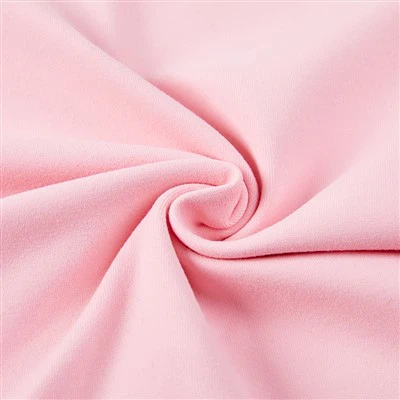
Hey there! I'm a supplier of Tights Fabric, and I've been in this industry for quite some time. Over the years, I've gotten tons of questions from customers, and one question that pops up all the time is, "What tights fabric is most stretch-resistant?" Well, that's what I'm gonna talk about today.
First off, let's understand why stretch resistance matters. Tights are often used in activities that require a lot of movement, like yoga, running, or just everyday wear. A stretch-resistant fabric can hold its shape better, provide more support, and last longer. Nobody wants tights that sag or lose their elasticity after a few wears, right?
Common Tights Fabrics
There are several types of fabrics commonly used to make tights. Each has its own pros and cons when it comes to stretch resistance.
Nylon
Nylon is a super popular choice for tights. It's strong, lightweight, and has excellent abrasion resistance. When it comes to stretch, nylon can stretch quite a bit and then bounce back into shape. This is because nylon fibers have a high degree of elasticity. However, over time, especially with frequent washing and stretching, nylon can start to lose some of its stretch resistance.
Nylon also has good moisture-wicking properties, which means it can keep you dry during intense workouts. But if you're looking for something that will retain its shape under extreme stretching over a long period, nylon might not be the absolute best option on its own.
Spandex (Elastane)
Spandex is the go-to for stretch. It's incredibly elastic and can stretch up to 5-8 times its original length and still return to its shape. This makes it ideal for creating form-fitting tights. However, spandex has a relatively low melting point and can be damaged by heat, like in a hot dryer.
On its own, spandex isn't very durable. That's why it's usually blended with other fibers, like nylon or polyester. A blend of spandex with another fiber can improve the stretch resistance while maintaining the elasticity.
Polyester
Polyester is a strong and durable fabric. It has a good degree of stretch resistance and is resistant to shrinking, wrinkling, and fading. Polyester is also hydrophobic, which means it repels water and dries quickly. This makes it great for activities where you might sweat a lot.


The downside is that polyester can be a bit less breathable compared to other fabrics. When used in tights, it might feel a bit warm and less comfortable during long, strenuous workouts. But in terms of stretch resistance, it can hold up well over time.
Blended Fabrics
Most of the high-quality tights on the market today are made from blended fabrics. These blends combine the best properties of different fibers to create a fabric that is both stretchy and stretch-resistant.
Nylon-Spandex Blend
A nylon-spandex blend is one of the most common combinations for tights. The nylon provides strength and durability, while the spandex gives the fabric its stretch. This blend can offer a good balance of stretch and stretch resistance. It can hold its shape well during a workout and withstand multiple washes without losing its elasticity.
For example, in Yoga Leggings Fabric, a nylon-spandex blend is often used. Yogis need tights that can stretch as they move through different poses but also provide stability and support. This blend can meet those requirements.
Polyester-Spandex Blend
Similar to the nylon-spandex blend, a polyester-spandex blend combines the durability of polyester with the stretch of spandex. Polyester helps to enhance the stretch resistance of the fabric, making it less likely to sag or lose its shape.
This blend is also great for activities that involve a lot of movement and sweating. The polyester's moisture-wicking properties keep you dry, while the spandex allows for a full range of motion. Comfortable Yoga Pants Fabric often uses this blend for its comfort and performance.
Factors Affecting Stretch Resistance
It's not just the type of fabric that affects stretch resistance. There are other factors to consider as well.
Weave and Knit
The way the fabric is woven or knitted can have a big impact on its stretch resistance. For example, a tight-knit fabric will generally have more stretch resistance than a loose-knit one. A woven fabric might have different stretch properties depending on whether it's a plain weave, twill weave, or satin weave.
Weight of the Fabric
Heavier fabrics tend to have more stretch resistance than lighter ones. A thicker tights fabric will be more likely to hold its shape under stress. However, heavier fabrics might also be less breathable and more restrictive in terms of movement.
Manufacturing Process
The way the fabric is processed during manufacturing can also affect its stretch resistance. Some fabrics are treated with chemicals or undergo special heat treatments to improve their durability and stretch properties.
Testing Stretch Resistance
As a tights fabric supplier, I often conduct tests to determine the stretch resistance of different fabrics. One common test is the tensile strength test. In this test, a sample of the fabric is pulled until it breaks, and the amount of force required to break the fabric is measured.
Another test is the cyclic stretching test. In this test, the fabric is stretched and released multiple times to simulate the wear and tear it would experience in real-life use. By measuring how much the fabric stretches and how well it returns to its original shape after each cycle, we can get an idea of its stretch resistance over time.
Conclusion
So, what tights fabric is most stretch-resistant? Well, it depends on your specific needs. If you're looking for a fabric that offers a good balance of stretch and stretch resistance, a nylon-spandex or polyester-spandex blend is a great choice. These blends can provide the support and durability you need for activities like yoga, running, or everyday wear.
As a tights fabric supplier, I'm always here to help you find the right fabric for your needs. Whether you're a small business looking to make custom tights or a large retailer looking for high-quality fabrics, I can offer you a wide range of options. If you're interested in learning more about our Tights Fabric or want to discuss a potential purchase, feel free to reach out. Let's have a chat and see how we can work together to create the perfect tights for your customers.
References
- Textile Institute. "Textile Terms and Definitions."
- ASTM International. "Standards for Textile Testing."