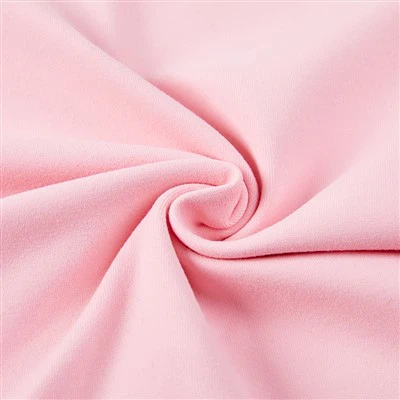
When it comes to swimwear, one of the most crucial factors that often goes unnoticed but significantly impacts the overall experience is the softness of the fabric. As a swimwear fabric supplier, I've had the privilege of working with a wide range of materials, each with its own unique softness profile. In this blog post, I'll delve into the softness of different swimwear fabrics, exploring what makes them feel the way they do and how it affects the wearer.
Polyester Blend Fabrics
Polyester is a commonly used material in swimwear due to its durability and resistance to chlorine. When blended with other fibers, it can create a fabric that offers a good balance of softness and performance. Polyester blends often include spandex, which adds stretch and flexibility to the fabric.
The softness of polyester blend swimwear fabrics can vary depending on the percentage of each fiber and the manufacturing process. Generally, a higher percentage of spandex can result in a softer and more comfortable feel against the skin. These fabrics are known for their smooth texture, which reduces friction and irritation, making them ideal for long - term wear in the water.
For example, a 80% polyester and 20% spandex blend can provide a soft yet supportive fabric. The polyester gives the fabric its shape - retention properties, while the spandex allows for a full range of motion. This combination is popular among both amateur and professional swimmers. The softness of these fabrics also makes them suitable for sensitive skin, as they are less likely to cause allergic reactions compared to some other materials.
Nylon Blend Fabrics
Nylon is another popular choice for swimwear fabrics. It is known for its strength, abrasion resistance, and ability to dry quickly. When blended with spandex, nylon creates a fabric that is both soft and stretchy.
Nylon blend swimwear fabrics often have a luxurious feel. The smooth surface of nylon gives the fabric a silky touch, which is highly appealing to consumers. The addition of spandex enhances the fabric's elasticity, allowing it to conform to the body's shape without feeling restrictive.
One of the advantages of nylon blend fabrics is their ability to maintain their softness over time. Unlike some other materials, nylon is less likely to lose its softness after repeated exposure to chlorine and sunlight. This makes them a great investment for swimwear that will be used frequently. For instance, a 70% nylon and 30% spandex blend can offer a high - end feel with excellent performance characteristics.
Ribbed Swimwear Fabric
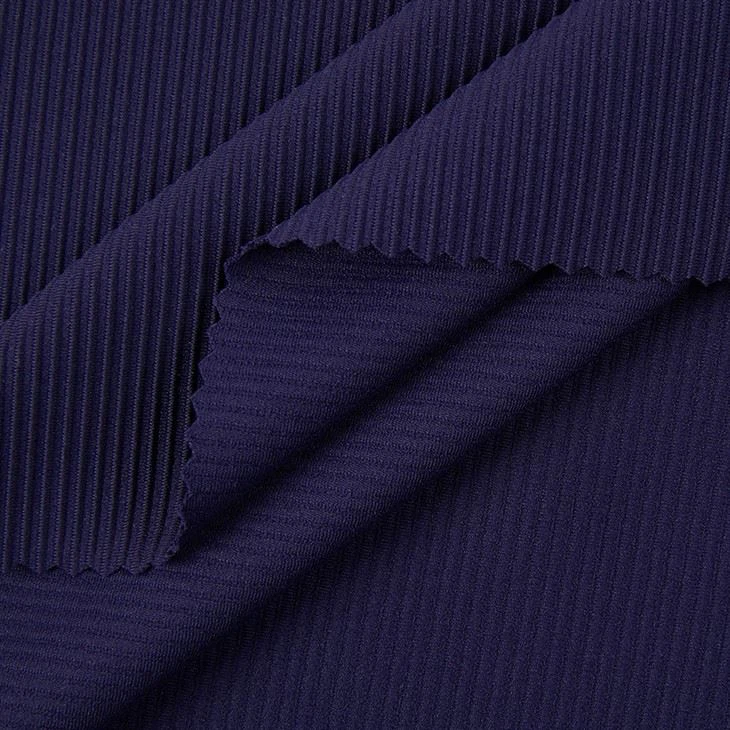
Ribbed Swimwear Fabric is a unique type of swimwear material that combines style and function. The ribbing pattern not only adds a decorative element to the swimwear but also affects its softness.
The ribbed structure can create a more textured feel compared to smooth fabrics. However, this texture doesn't necessarily mean less softness. In fact, ribbed swimwear fabrics are often made from polyester or nylon blends, which already have a soft base. The ribbing can actually enhance the fabric's flexibility and comfort, as it allows for more stretch in certain directions.
The softness of ribbed swimwear fabric also depends on the tightness of the ribbing. A looser ribbing pattern may result in a softer and more forgiving fabric, while a tighter pattern can provide more support. Ribbed fabrics are often used in performance swimwear, as they can help reduce drag in the water while still offering a comfortable fit.
Chlorine Resistant Swimwear Fabric
Chlorine Resistant Swimwear Fabric is specifically designed to withstand the harsh effects of chlorine in swimming pools. These fabrics are often made from high - performance materials that are treated to resist degradation.
Despite their focus on durability, many chlorine - resistant swimwear fabrics are also surprisingly soft. Manufacturers have developed advanced technologies to ensure that the fabric remains comfortable against the skin while providing long - lasting protection. For example, some chlorine - resistant fabrics are made from a blend of polyester and a special polymer that not only resists chlorine but also offers a soft and smooth feel.
The softness of these fabrics is important, especially for competitive swimmers who spend a lot of time in the pool. A soft fabric can reduce distractions and allow the swimmer to focus on their performance. Additionally, for consumers who are concerned about the damage chlorine can cause to their swimwear, a chlorine - resistant and soft fabric is an ideal choice.
Swimsuit Lining Fabric
Swimsuit Lining Fabric plays a crucial role in the overall comfort of swimwear. It is the layer that comes into direct contact with the skin, so its softness is of utmost importance.
Swimsuit lining fabrics are typically made from materials such as nylon or polyester. These materials are chosen for their softness, moisture - wicking properties, and ability to prevent chafing. A good lining fabric should feel smooth and gentle against the skin, even when wet.
The thickness and density of the lining fabric can also affect its softness. A thinner lining may feel more lightweight and breathable, while a thicker lining can provide more support and a plush feel. Some swimsuits use a combination of different lining fabrics in different areas to optimize comfort and performance.
Factors Affecting Softness
Several factors can affect the softness of swimwear fabrics. The fiber composition is the most obvious one. As mentioned earlier, blends of polyester, nylon, and spandex can result in different levels of softness. The quality of the fibers also matters. Higher - quality fibers are often smoother and more consistent in texture, which contributes to a softer feel.
The manufacturing process is another important factor. Fabrics that are knitted or woven using advanced techniques can have a more uniform and soft texture. The finishing treatments applied to the fabric, such as softeners and anti - static agents, can also enhance its softness.
The way the fabric is cared for can also impact its softness over time. Using gentle detergents and avoiding harsh chemicals when washing swimwear can help maintain its softness. Additionally, proper storage, such as hanging the swimwear to dry instead of wringing it out, can prevent damage to the fabric and preserve its softness.
Why Softness Matters in Swimwear
Softness is not just a luxury; it is a necessity in swimwear. A soft fabric can enhance the overall comfort of the wearer, allowing them to enjoy their time in the water without distractions. For swimmers, a comfortable and soft fabric can improve their performance by reducing friction and irritation.
In addition, soft swimwear fabrics are more likely to be worn for longer periods. This is especially important for beachgoers who may spend hours in their swimsuits. A soft fabric can prevent skin rashes and discomfort, making the experience more enjoyable.
From a marketing perspective, softness is a key selling point for swimwear. Consumers are more likely to choose swimwear that feels good against their skin. As a swimwear fabric supplier, we understand the importance of providing fabrics that not only meet performance requirements but also offer a high level of softness.
Contact for Purchase and Collaboration
If you are in the market for high - quality swimwear fabrics with exceptional softness, we would love to hear from you. Whether you are a swimwear designer, manufacturer, or retailer, we can provide you with a wide range of options to meet your specific needs. Our team of experts is ready to assist you in selecting the perfect fabric for your next swimwear collection.

References
- "Swimwear Fabric Technology: A Comprehensive Guide" by Textile Institute
- "The Science of Comfort in Swimwear" by Journal of Textile Research
- "Advances in Chlorine - Resistant Swimwear Fabrics" by International Journal of Sports Textiles